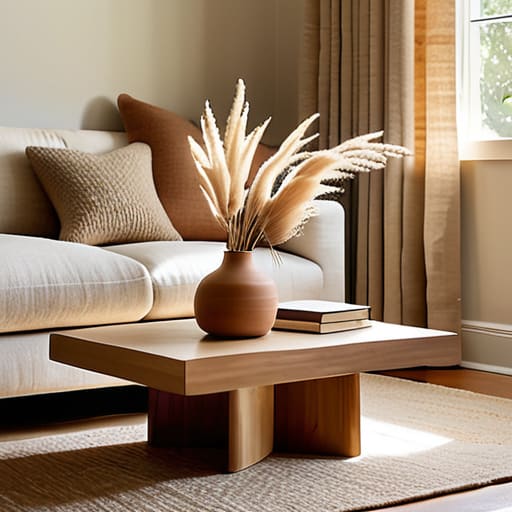
I used to think minimalism meant living in a sterile, white-walled museum where you weren’t allowed to actually touch anything. I spent way too much money on aesthetic linen bins and “curated” decor, only to realize that my apartment still felt chaotic because I hadn’t actually solved the underlying clutter. Most of the minimalist home tips you see scrolling through your feed are just expensive ways to hide your mess, rather than ways to actually live better.
I’m not here to sell you a lifestyle of deprivation or a high-end organizational overhaul that requires a massive budget. Instead, I want to share the small, repeatable systems that helped me transition from a cluttered corporate apartment to a functional, peaceful freelance workspace. We’re going to focus on practical, low-cost ways to reduce your mental load, so you can stop fighting your environment and finally start enjoying your space.
Table of Contents
Mastering Decluttering Techniques for Beginners Without the Burnout
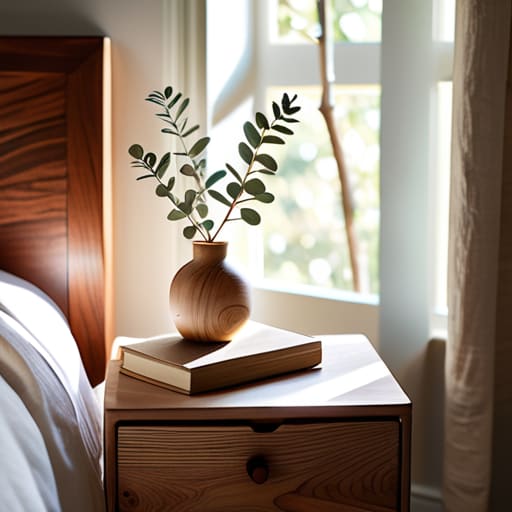
The biggest mistake I see people make is trying to tackle the whole house in a single weekend. That’s a one-way ticket to burnout and a pile of half-finished boxes sitting in your hallway for months. Instead, I recommend starting with decluttering techniques for beginners that focus on micro-wins, like a single junk drawer or your bedside table. When you focus on one small, contained area, you aren’t fighting an uphill battle against the entire house; you’re just mastering one tiny corner.
Once you’ve found your rhythm, try applying the concept of a capsule wardrobe for home organization. Just like you wouldn’t keep every single shirt you’ve owned since college, you don’t need a surplus of kitchen gadgets or decor that you never actually use. The goal isn’t to live in a sterile white box, but to curate intentional living spaces where every item has a purpose or brings you genuine peace. If it doesn’t serve a function or a deep sense of joy, it’s likely just taking up valuable mental real estate.
Designing Intentional Living Spaces That Actually Work for You
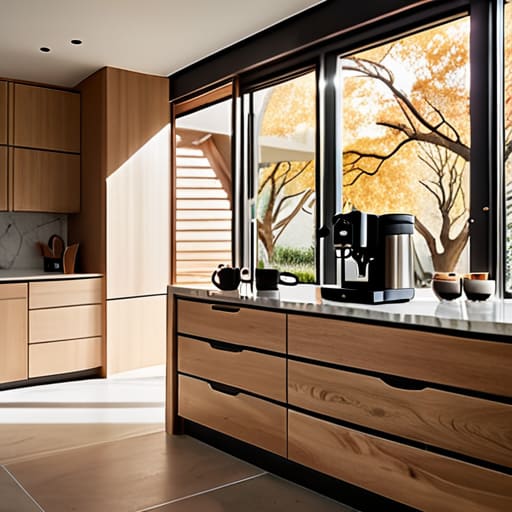
Once you’ve tackled the initial mountain of stuff, the next step isn’t about buying aesthetic bins from a big-box store; it’s about mapping out how you actually move through your home. I used to think a beautiful room was the end goal, but I quickly learned that if your coffee station is tucked in a corner where you can’t reach it comfortably, the design has failed you. When we talk about intentional living spaces, we’re really talking about frictionless movement. Every object should have a “home” that corresponds to when and where you use it, preventing that slow creep of chaos from returning.
I like to approach my layout using a bit of a capsule wardrobe for home organization mindset. Instead of trying to decorate every surface, I focus on a few high-quality, multi-functional zones that serve my daily rhythms. If I’m working from my dining table, that space needs to transition from “lunch spot” to “office” in under two minutes. By applying these basic minimalist interior design principles—prioritizing function over fluff—you create a home that doesn’t just look calm in photos, but actually feels calm when you’re living in it.
Small Systems for Daily Maintenance
- The “One-In, One-Out” Rule for Surface Clutter: I used to struggle with my kitchen counters becoming a graveyard for mail and random gadgets. Now, I have a strict rule: if a new piece of decor or a new kitchen tool comes into the house, something else has to leave. It stops the slow creep of “stuff” before it even starts.
- The Five-Minute Reset: Instead of waiting for a massive weekend cleaning session that feels overwhelming, I set a timer for five minutes every evening. I just walk through the main living area and put things back in their “homes”—the remote on the coffee table, the throw blanket folded, the mail moved to my desk. It keeps the chaos from snowballing.
- Digital Decluttering for Mental Space: We often forget that our digital “homes” need minimalism too. Once a week, I clear my desktop icons and empty my downloads folder. It’s a small, repeatable habit that makes starting my workday feel so much lighter and less frantic.
Small Wins for Long-Term Calm
Forget the “all-or-nothing” approach to decluttering; focus on building tiny, repeatable systems—like a dedicated spot for your keys or a weekly reset for your kitchen counters—that prevent the chaos from creeping back in.
Prioritize function over aesthetics by ensuring your home supports your actual daily habits rather than looking like a curated showroom that’s impossible to live in.
Finding Your Rhythm
At the end of the day, minimalism isn’t about living in a white box or owning exactly thirty items. It’s about the systems we’ve discussed—the way you tackle decluttering without the emotional burnout, and how you design your rooms to serve your actual daily habits rather than an Instagram aesthetic. Whether it’s clearing one single countertop or setting up a dedicated workspace that actually helps you focus, these small wins are what prevent the mental overwhelm from creeping back in. Remember, the goal is to build a home that supports your life, not a project that constantly demands your attention.
Please, be kind to yourself as you navigate this transition. There will be weeks where the laundry piles up or the “system” breaks down, and that is perfectly okay. Life is messy, and your home shouldn’t be a source of guilt. Focus on creating functional peace rather than perfection. Once you stop fighting the chaos and start implementing these tiny, repeatable habits, you’ll realize that you aren’t just organizing your apartment—you are finally reclaiming the mental space to actually enjoy it.
Frequently Asked Questions
How do I start decluttering if I feel completely overwhelmed by the sheer amount of stuff I own?
I completely get it—looking at a messy room can feel like staring at a mountain you’re expected to climb in flip-flops. When the overwhelm hits, stop looking at the whole house. Pick one tiny, contained zone—like a single junk drawer or even just your bedside table. Set a timer for fifteen minutes. That’s it. Once the timer dings, you’re done. Building momentum through these tiny wins is much more effective than burning out on day one.
I love the idea of a minimalist aesthetic, but how do I keep my home from feeling cold or uninviting?
That’s such a common fear, and honestly, I used to struggle with it too. I’d end up with a space that looked like a sterile hotel lobby rather than a home. The trick is to focus on texture rather than “stuff.” Swap out cold surfaces for a chunky knit throw, add a few leafy plants from my herb garden, or use warm lighting. It’s about layering warmth through tactile elements so the minimalism feels intentional, not empty.