
I used to think that learning how to declutter your home meant buying a fleet of matching acrylic bins and spending my entire Saturday color-coding my closet like some kind of Pinterest-obsessed perfectionist. But honestly? That kind of “minimalism” is just another way to add to your mental load. I spent years trying to chase that showroom aesthetic, only to realize that a perfectly curated shelf doesn’t mean a thing if you’re still drowning in the decision fatigue of a messy life.
I’m not here to sell you on a lifestyle overhaul or expensive organizational gadgets that will just end up as clutter themselves. Instead, I want to share the small, repeatable systems I’ve built to manage my own space without losing my mind. We’re going to focus on functional simplicity—practical ways to clear the physical noise so you can actually breathe in your own house.
Table of Contents
Mastering the Decluttering Mindset and Psychology of Letting Go

Before you even touch a single cardboard box, we need to talk about the mental hurdle that stops most of us in our tracks. For me, it wasn’t about having too much “stuff”; it was the irrational fear that if I let go of a specific gadget or a half-used notebook, I’d somehow lose a piece of my identity or a future version of myself. Understanding the decluttering mindset and psychology is the real secret sauce. You have to stop viewing your belongings as extensions of your worth and start seeing them as tools that either serve your current life or simply take up valuable mental real estate.
I used to think I needed to follow a strict, Pinterest-perfect regimen, but I quickly learned that perfectionism is the enemy of progress. If you approach this like a massive, daunting project, you’ll burn out by Tuesday. Instead of aiming for a total lifestyle overhaul, try viewing it as a way to curate your environment. When you shift from “getting rid of things” to “making room for what matters,” the process stops feeling like a chore and starts feeling like a relief.
Minimalist Living Strategies to Create Mental Space for Joy

Once you’ve tackled the heavy lifting of the mental shift, it’s time to move into actual implementation. I used to think minimalism meant living in a cold, white box with nothing but a single chair, but I’ve learned that true minimalist living strategies are about intention, not deprivation. It’s about looking at your belongings and asking, “Does this serve a function, or is it just taking up mental bandwidth?” When we clear out the excess, we aren’t just tidying a shelf; we are reclaiming the visual quiet necessary to actually focus on our work or enjoy a quiet cup of tea.
If the idea of a total overhaul feels paralyzing, I highly recommend using a decluttering checklist for beginners to break things down into micro-tasks. Instead of trying to tackle the entire house in a weekend—which is a one-way ticket to burnout—try focusing on a single high-traffic surface, like your entryway console or your coffee station. By creating these small “islands of order,” you build momentum without the overwhelm. The goal isn’t to achieve a showroom-perfect aesthetic; it’s to create a functional environment that supports your lifestyle rather than complicating it.
Small Systems to Keep the Chaos at Bay
- Stop trying to tackle the whole house in one weekend; instead, pick one “micro-zone”—like a single junk drawer or your bedside table—and commit to just that. It’s much easier to maintain momentum when you’re winning small battles rather than feeling defeated by a mountain of laundry and unorganized paperwork.
- Implement a “One In, One Out” rule for your most cluttered areas, especially your wardrobe or kitchen. If you bring home a new ceramic mug or a cozy sweater, something else has to go. This creates a natural ceiling for your belongings so your space doesn’t slowly start feeling cramped again.
- Create a “Decision Station” using a physical basket or a designated corner of your desk. When you find something during your daily flow that you aren’t sure about, don’t let it sit on the counter and clutter your visual field; toss it in the basket to review once a week. This keeps the decision fatigue from stalling your actual life.
Small Wins for Long-Term Clarity
Don’t try to tackle the whole house in a single weekend; instead, focus on building small, repeatable systems in one area at a time to prevent burnout.
Remember that the goal isn’t a perfect, showroom-ready home, but a functional space that actually supports your daily rhythm and reduces your mental load.
Finding Your Flow
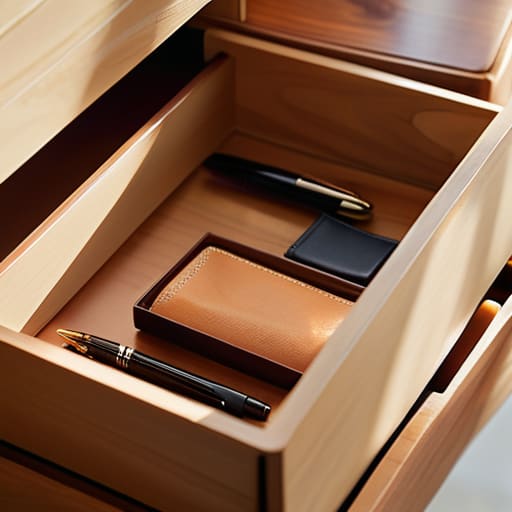
At the end of the day, decluttering isn’t about achieving some impossible, Pinterest-perfect aesthetic; it’s about the practical application of the systems we’ve discussed. Whether you are tackling a single junk drawer or reevaluating your entire closet, the goal is to move away from mindless accumulation and toward intentional living. By shifting your mindset, implementing minimalist strategies, and focusing on what truly serves your daily routine, you are doing more than just cleaning a room. You are actively reducing the mental load that comes with physical chaos, ensuring that your home remains a sanctuary rather than a source of stress.
Please remember to be kind to yourself as you navigate this process. Some days the piles will feel overwhelming, and other days you’ll find a rhythm that feels like second nature. There is no finish line, only a continuous practice of choosing what deserves your space and your energy. Focus on building small, repeatable habits that keep the clutter at bay, and trust that the clarity you feel in your home will eventually translate into clarity in your mind. You’ve got this.
Frequently Asked Questions
How do I handle those sentimental items that I know I don't use, but I'm terrified to get rid of?
I completely get it. I used to stare at old concert tickets and childhood trinkets like they were sacred relics. My rule now? Separate the memory from the object. You aren’t throwing away the moment; you’re just clearing the shelf. Try digitizing things—take a high-quality photo of that handwritten note—and then let the physical item go. If it’s too heavy to toss, find one “memory box” with a strict limit. Once it’s full, something has to leave.
What do I do when I start decluttering one drawer and end up with a mountain of stuff scattered all over my floor?
First, take a breath. This is exactly how “project creep” happens, and it’s totally normal. My rule? Stop before the floor becomes a permanent landscape. Grab a laundry basket to corral the overflow, then set a timer for just fifteen minutes. Don’t try to finish the whole room; just focus on getting that one drawer back into its home. We’re building systems here, not creating new messes to clean up later.