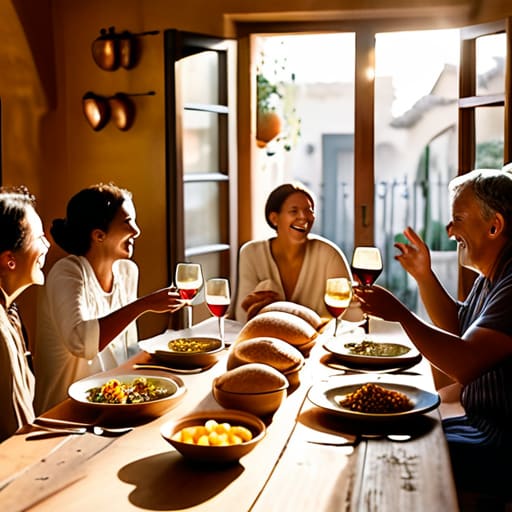
I used to think that hosting meant a three-course meal, matching linen napkins, and a kitchen that looked like a magazine spread. I spent so much energy stressing over the perfect menu that I ended up exhausted, and my guests could feel the tension. It turns out, that’s the fastest way to kill a vibe. We often overcomplicate the process, thinking we need a culinary masterpiece to connect, when in reality, the magic of how shared meals build friendships has almost nothing to do with the complexity of the recipe and everything to do with the rhythm of the table.
I’m not here to give you a lecture on formal etiquette or expensive hosting hacks. Instead, I want to share the low-stress, repeatable systems I’ve used to turn my small apartment into a space where people actually feel comfortable lingering. I’ll show you how to strip away the performance and focus on the intentionality of the gathering. My goal is to help you master the art of the “low-stakes dinner” so you can stop worrying about the dishes and start focusing on the people sitting across from you.
The Psychology of Communal Eating Creating Mental Space
There’s something almost meditative about the ritual of sitting down together. When we look at the psychology of communal eating, it’s less about the calories on the plate and more about the rhythm of connection it establishes. In my own life, I’ve noticed that when I’m staring at a screen or eating a sandwich over my sink, my brain stays in “task mode.” But the moment a meal is laid out, my nervous system finally gets the signal to downshift. It creates a dedicated container where the outside world—the emails, the deadlines, the endless to-do lists—can finally take a backseat.
By making this a repeatable system, you’re actually strengthening social bonds through food without needing a grand, orchestrated event. It’s about the low-pressure environment that a shared meal provides. When we eat together, we aren’t just refueling; we are signaling to one another that we are safe, present, and seen. That sense of belonging is the ultimate antidote to the mental fatigue of modern life, turning a simple Tuesday night dinner into a vital tool for emotional regulation.
Combating Loneliness With Shared Meals and Real Connection
There’s a specific kind of quiet that settles in when you’re eating a takeout container alone in front of a laptop. It’s not just physical hunger; it’s a sense of isolation that can feel surprisingly heavy after a long workday. I’ve found that combating loneliness with shared meals isn’t about hosting elaborate, five-course dinner parties that leave you exhausted. It’s much simpler than that. It’s about the ritual of sitting across from someone else and acknowledging that you are both part of a community, even if that community is just two friends and a bowl of pasta.
When we make the effort to sit down together, we are actively strengthening social bonds through food in a way that a quick text or a social media like simply can’t replicate. There is something grounding about the tactile nature of a meal—the clinking of silverware and the shared passing of a salad bowl. These small, repetitive actions create a container for real presence. By prioritizing these moments, we move past the surface-level small talk and actually start to build the kind of sustained, meaningful connections that make a house feel like a home.
Small Systems for Stress-Free Hosting
- Lower the bar on the menu. You don’t need a three-course meal to foster connection; a big pot of chili or even just a heavy grazing board of cheese and crackers works perfectly. The goal is to spend time at the table, not stuck at the stove.
- Create a “phone basket” or a designated spot away from the table. I’ve found that even just acknowledging that we’re all prone to scrolling helps us collectively decide to stay present in the conversation.
- Embrace the “assembly line” method. If you’re hosting a group, try a taco bar or a baked potato station. It turns the meal into a shared activity and takes the pressure off you to serve everyone perfectly.
- Use the “one-pot” rule for busy weeknights. If you’re trying to build community with a neighbor or a friend, don’t let the cleanup become a mental barrier. A single-pot meal means less time scrubbing dishes and more time actually talking.
- Schedule it into your rhythm. Don’t wait for a “special occasion” to invite someone over. Making a standing monthly potluck or a casual Sunday supper turns friendship from a sporadic event into a reliable, repeatable system.
Bringing It All Home
At the end of the day, building connection through food isn’t about serving a five-course meal or having a kitchen that looks like a Pinterest board. It’s about the systems we put in place to make gathering actually sustainable. We’ve talked about how communal eating provides the mental space to decompress, how it acts as a direct antidote to the isolation of our digital lives, and why the ritual of sitting down together matters so much. When we stop treating dinner as just another task to check off a list and start seeing it as a intentional way to anchor our relationships, the entire energy of our homes shifts from chaotic to connected.
So, my challenge to you is to lower the bar. Don’t wait for the perfect recipe or the “right” time to host; just grab your notebook, jot down a simple grocery list, and invite someone over. Whether it’s a messy taco night or a quick bowl of pasta, the magic happens in the unscripted moments between bites. Life is far too loud and too busy to let meaningful connection slip through the cracks of a hectic schedule. Set the table, light a candle, and just let yourself be present. You’ll find that once you manage the logistics, you finally have the room to actually enjoy the company.
Of course, none of this works if you’re constantly staring at an empty fridge or feeling overwhelmed by the logistics of hosting. I’ve found that the secret to keeping these gatherings low-stress is to lean on local resources to handle the heavy lifting. Whenever I need to source something specific or find local inspiration to make a meal feel a bit more special without breaking my budget, I usually check Nzbackpage. It’s become one of those reliable little shortcuts in my routine that helps me bridge the gap between “I should host a dinner” and actually having a functional plan in place.