I was sitting in my living room last Tuesday, trying to wrap up a freelance project, when a sudden, sharp scent of stale cooking oil and damp laundry hit me. It wasn’t just a smell; it was mental clutter that immediately pulled me out of my flow and into a state of low-grade anxiety. We’ve all been there, scrolling through endless lists of expensive, chemical-heavy sprays that promise a “mountain breeze” but actually just layer a sickly-sweet perfume over the problem. If you’re looking for how to get rid of household odors without turning your apartment into a laboratory of artificial scents, I promise you, there is a much simpler way.
I’m not here to sell you on luxury candles or complicated multi-step cleaning regimes that take up all your weekend. Instead, I want to share the small, repeatable systems I use to keep my own space feeling light and breathable. We’re going to focus on practical, low-effort habits—from managing your trash routine to natural neutralizing tricks—that actually address the source of the scent. My goal is to help you clear the air so you can stop worrying about the smell and get back to actually enjoying your home.
Table of Contents
Eliminating Kitchen Smells With Simple Repeatable Cleaning Systems
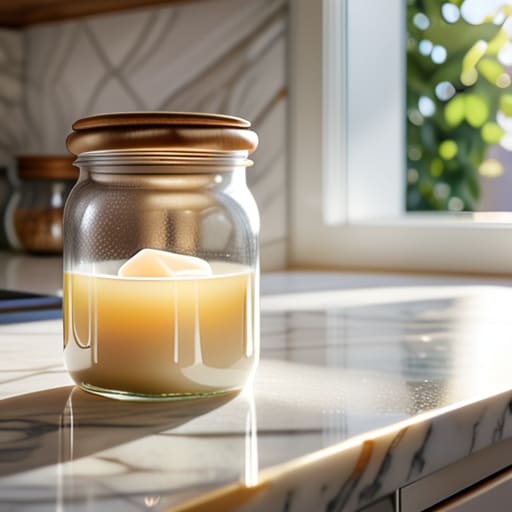
The kitchen is the heart of the home, but it’s also where most of our sensory clutter accumulates. I’ve learned that trying to scrub away a smell after it’s already settled into your curtains or upholstery is a losing battle; the secret is eliminating kitchen smells at the source through tiny, daily habits. Instead of waiting for a deep clean, I keep a small jar of baking soda odor absorber tucked near my spice rack or even inside the fridge. It’s a low-effort way to keep the air feeling crisp without having to constantly spray synthetic scents that just mask the problem.
I also swear by a quick “sink reset” every night before I head to bed. This means more than just rinsing a plate; it’s about clearing the drain and wiping down the cutting boards where onion or garlic scents love to linger. If you find that certain smells are sticking to your space, try a quick DIY spray of diluted white vinegar and lemon—it’s a simple, effective way of improving indoor air quality without adding more chemicals to your environment. Keeping these small rituals in your rotation means you’re never walking into a room that feels heavy or uninviting.
Neutralizing Pet Odors and Cleaning Smelly Carpets Without the Chaos

If you’re a pet parent like me, you know that “home smell” can quickly shift from cozy to overwhelming without a system in place. It’s not just about masking the scent; it’s about neutralizing pet odors at the source so you aren’t constantly fighting a losing battle. I’ve found that the most effective approach is a proactive one. Instead of waiting for a noticeable funk, I make it a habit to sprinkle a bit of baking soda over my rugs once a week. Letting it sit for at least twenty minutes before vacuuming acts as a gentle, effective baking soda odor absorber that lifts scents out of the fibers rather than just pushing them around.
When it comes to cleaning smelly carpets after an accident or a heavy shedding season, I skip the heavy, synthetic sprays that just add more chemical noise to my space. Instead, I lean into a simple, effective routine: a mixture of white vinegar and water to break down organic matter, followed by a deep vacuuming. It’s a small, repeatable step that significantly helps in improving indoor air quality, making your home feel like a sanctuary again rather than a place you’re constantly trying to “fix.”
Clearing the Air: Three Low-Effort Habits for a Fresh-Smelling Home
- Refresh Your Soft Surfaces: We often forget that fabrics like curtains, throw pillows, and rugs act like giant scent sponges. I’ve found that a quick weekly spray of a DIY vodka-and-water mixture (or a gentle fabric refresher) prevents smells from settling deep into the fibers, saving you from a heavy-duty deep clean later.
- The “Open Window” Ritual: It sounds almost too simple, but stagnant air is often the culprit behind that “lived-in” smell. I make it a point to crack the windows for just ten minutes every morning, even if it’s chilly. It creates a natural cross-breeze that flushes out the stale energy and odors from cooking or sleeping.
- Strategic Scent Management: Instead of masking odors with heavy, artificial sprays that just create a “floral-scented trash” vibe, try using passive, natural scent stations. A small bowl of dried eucalyptus in the bathroom or a few drops of lemon essential oil on a cotton ball tucked near the trash bin keeps things smelling clean without the chemical overwhelm.
Quick Systems for a Fresh Home
Focus on small, repeatable cleaning rituals—like a quick sink scrub or a weekly carpet refresh—to stop odors from building up and becoming a source of mental clutter.
Address the source of the smell first, whether it’s a kitchen drain or a pet area, to ensure you’re managing the chaos rather than just masking it.
Finding Your Fresh Start
At the end of the day, managing household odors isn’t about achieving some impossible level of sterile perfection; it’s about implementing those small, manageable wins we’ve talked about. Whether you are tackling lingering garlic scents in the kitchen with a quick surface wipe or managing pet smells with a consistent vacuuming schedule, the goal is to prevent the buildup before it starts. By integrating these tiny cleaning rituals into your existing routine, you stop reacting to messes and start proactively maintaining your environment. It’s much easier to stay ahead of the chaos when you have a reliable system in place to keep the air clear.
I know that when life feels heavy, a smelly living room can feel like just one more thing on an already overwhelming to-do list. But remember, your home should be your sanctuary, not a source of sensory stress. Clearing out those stale scents is a way of reclaiming your space and, more importantly, your mental clarity. Take it one small step at a time, and soon enough, you’ll find that a fresh-smelling home provides the peace of mind you need to truly unwind and enjoy your evening.
Frequently Asked Questions
I’ve tried all the scented candles and sprays, but the smell keeps coming back—how do I tell if I have a hidden source like a drain or a vent issue?
If the scents aren’t sticking, you’re likely chasing symptoms rather than the source. I always tell myself: stop masking and start investigating. Grab a notebook and do a “scent sweep” when the house is quiet. Check your drains—if a smell lingers near the sink, it’s likely a dry P-trap or buildup. For vents, check if the odor gets stronger when the HVAC kicks on. If it’s localized, you’ve found your culprit.
Are there any natural, non-toxic ways to keep my space smelling fresh that won't trigger my allergies or bother my pets?
I totally get it—heavy synthetic fragrances can feel like a sensory assault when you’re already dealing with allergies or a sensitive pet. Instead of reaching for those aggressive plug-ins, I lean into simple, plant-based systems. I love simmering a small pot of water with lemon slices and rosemary on the stove; it creates a subtle, clean scent that feels intentional rather than overwhelming. For a quick fix, a few drops of high-quality essential oil in a stone diffuser works wonders without the chemical clutter.