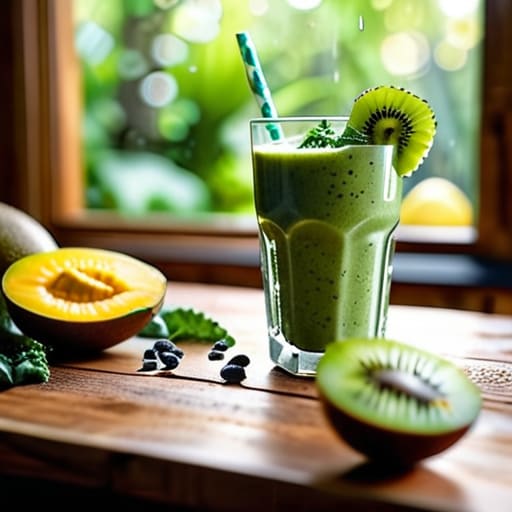
I used to think that learning how to make a smoothie meant I needed a $500 high-speed blender, a cabinet full of exotic superfood powders, and twenty minutes of precious morning sunlight to execute the “perfect” recipe. Honestly? That’s just a recipe for decision fatigue. I’ve spent too many mornings staring at a pile of kale and frozen berries, feeling like I was failing at adulthood because I couldn’t make something that looked like a Pinterest board.
I’m not here to sell you on a lifestyle overhaul or a complicated list of expensive supplements. Instead, I want to show you how to build a low-friction system that actually works with your real, messy life. We’re going to strip away the hype and focus on a repeatable method for how to make a smoothie that is actually sustainable, so you can nourish yourself and get on with your day without the extra mental load.
Table of Contents
Selecting the Best Blender for Smoothies and Seamless Prep
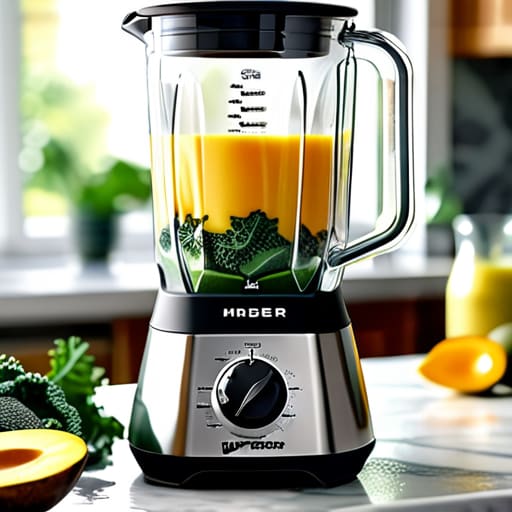
I used to think a blender was just a blender, but after years of trial and error with different morning routines, I’ve realized that the hardware is actually the foundation of your entire system. If you’re constantly fighting clumps of kale or unblended ice, you’re going to abandon the habit by Tuesday. When I’m looking for the best blender for smoothies, I prioritize motor power and blade durability over fancy touchscreen displays. You want something that can handle a heavy load of frozen ingredients without smelling like it’s about to give up on life.
My biggest tip for achieving that perfect, cafe-style consistency comes down to the frozen fruit vs fresh fruit debate. If you use a high-powered blender, you can get away with almost anything, but if you’re working with a more modest machine, relying on frozen elements is a total game-changer for texture. A powerful motor allows you to blend everything from fibrous greens to hard nuts seamlessly, ensuring you actually get all those smoothie nutritional benefits without feeling like you’re drinking a bowl of salad.
Mastering Smoothie Base Ingredients for a Reliable System
Once you have your gear ready, the real secret to a repeatable routine lies in your pantry. I’ve learned the hard way that if I have to chop fresh produce every single morning, I simply won’t do it. To keep things low-friction, I rely heavily on a mix of frozen fruit vs fresh fruit to manage my workflow. Using frozen berries or mango chunks doesn’t just save time; it acts as an instant ice replacement, giving you a much thicker, creamier consistency without watering down the flavor.
The foundation of any good drink is your liquid and fiber combo. I usually stick to unsweetened almond milk or coconut water, but the real magic happens when you layer in your smoothie base ingredients strategically. I always aim for a balance of healthy fats and fiber to prevent that mid-morning sugar crash. If you’re looking to turn your breakfast into a more substantial meal, try adding protein to smoothies via a scoop of collagen or a spoonful of Greek yogurt. It turns a quick snack into a functional, fuel-driven system that actually keeps you full until lunch.
The Three Golden Rules for a Zero-Stress Morning Blend
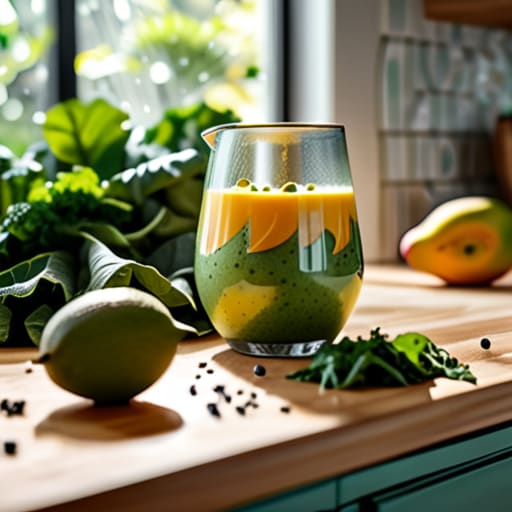
- Stop eyeballing everything and start using a “layering logic.” To save your blender motor (and your sanity), always pour your liquids in first, followed by powders, then greens, and finally your frozen items on top. It creates a natural vortex that pulls everything down, meaning you spend less time standing there with a spoon trying to unstick a frozen chunk of kale.
- Treat your freezer like a meal-prep station. I’ve learned the hard way that chopping fruit every single morning is a recipe for skipping breakfast entirely. Spend twenty minutes on a Sunday portioning out your berries, spinach, and even your ginger slices into reusable silicone bags. When the components are pre-measured and ready to grab, the friction of making a healthy breakfast almost disappears.
- Don’t get caught in the “cleaning trap.” The biggest deterrent to a daily smoothie habit is the dreaded, crusty blender jar sitting in the sink. My little hack? As soon as you pour your drink, fill the blender halfway with warm water and a tiny drop of dish soap, then run it on high for thirty seconds. Rinse it out, and you’re done. It keeps the residue from hardening and keeps the whole system sustainable for the long haul.
The Low-Friction Smoothie Cheat Sheet
Focus on building a “modular” pantry—keep frozen fruit, a reliable protein source, and a liquid base on hand so you can assemble a meal in under three minutes without a grocery run.
Prioritize the cleanup as much as the prep; if your blender is a nightmare to wash, you won’t use the system, so choose a machine with easy-to-clean parts to keep the habit sustainable.
Finding Your Flow
At the end of the day, a great smoothie isn’t about following a rigid recipe to the gram; it’s about having a reliable system in place. Once you’ve invested in a blender that actually handles frozen fruit without a struggle and you’ve stocked your freezer with those essential base ingredients, the mental heavy lifting is done. You aren’t staring at the pantry wondering what to do; you’re simply executing a process that you know works. By focusing on low-friction preparation, you turn a potentially messy chore into a seamless part of your morning rhythm.
Remember, the goal here isn’t to achieve some aesthetic, Instagram-perfect green drink every single morning. The goal is to nourish yourself without adding more clutter to your brain. If you end up with a slightly different ratio or a different fruit than planned, that’s fine—the system is still intact. Life is unpredictable enough as it is, so let your breakfast be the one thing that feels consistently manageable. Grab your glass, take a sip, and enjoy the extra mental space you’ve just created for yourself.
Frequently Asked Questions
How do I prep my ingredients ahead of time so I'm not chopping fruit every single morning?
The secret to making this actually stick is batching. On a Sunday afternoon, I chop up my tougher fruits—like mango or melon—and portion them into reusable silicone bags or glass jars. For greens, I wash and dry them thoroughly before storing them in a container with a paper towel to soak up excess moisture. If you have frozen items, just toss them straight into the bags. It turns a five-minute chore into a five-second grab-and-go.
My smoothies always turn out too thin or too icy—how do I get that perfect, creamy consistency?
The “consistency struggle” is real, and it usually comes down to the ratio of solids to liquids. If yours are too thin, you’re likely overdoing the juice or milk; try swapping some liquid for Greek yogurt or even a spoonful of chia seeds to add body. If they’re too icy, stop using ice cubes entirely. Instead, freeze your fruit—especially bananas—to get that velvety, milkshake-like texture without the watered-down grit.