
I used to see these glossy “productivity hack” videos everywhere—the ones featuring perfectly curated, minimalist desks with expensive ergonomic chairs and $80 candles—and I honestly just wanted to roll my eyes. Most of the advice you find when searching for remote work tips feels like it was written for someone who doesn’t actually have a life, a laundry pile, or a kitchen that gets messy mid-afternoon. Real life isn’t a Pinterest board; it’s a messy, constant negotiation between your professional responsibilities and the fact that you’re actually living in your office.
I’m not here to tell you to buy a standing desk or overhaul your entire personality to become a machine. Instead, I want to share the small, repeatable systems I’ve built as a freelancer to keep my head above water. We’re going to focus on functional, low-effort changes that actually protect your mental energy. My goal is to give you a set of realistic remote work tips that help you manage the chaos, so you can close your laptop at 5:00 PM and actually feel done.
Table of Contents
Curating Home Office Setup Ideas to Quiet the Mental Noise
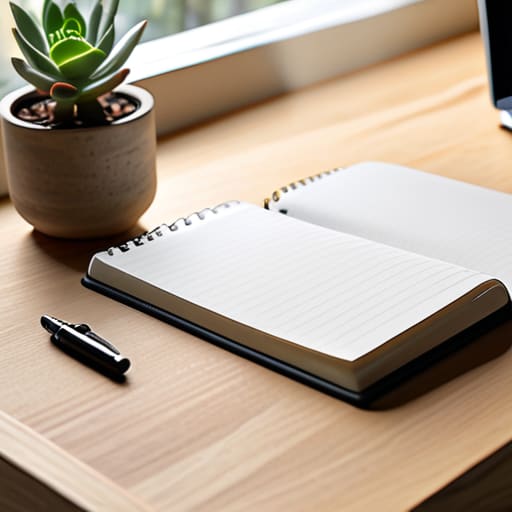
When I first started freelancing, I thought a fancy ergonomic chair was the silver bullet. I quickly realized that a high-end seat doesn’t matter if your desk is a graveyard of half-empty coffee mugs and tangled charging cables. To me, the best home office setup ideas aren’t about aesthetics; they’re about reducing the visual friction that pulls at your focus. I started by implementing a “clear desk” policy every Friday afternoon. It’s a small, repeatable system that ensures I don’t walk into a mess of last week’s chaos on Monday morning.
I also learned that my physical environment directly impacts my ability to maintain a healthy work-life balance for remote employees. If I can see my laundry pile or my dirty dishes from my laptop, my brain stays in “chore mode” instead of “deep work mode.” I’ve found that creating a visual boundary—even just a small plant or a specific lamp that only stays on during work hours—helps signal to my nervous system that it’s time to focus. It’s about building a space that supports your brain rather than draining it.
Practical Work Life Balance for Remote Employees to Prevent Burnout

The hardest part about working from home isn’t the workload; it’s the fact that your office is also your sanctuary. When your laptop is sitting right there on the dining table, the boundary between “productive me” and “relaxing me” starts to blur. I’ve spent many evenings staring at a screen long after I should have logged off, simply because there was no physical act of leaving the office. To combat this, I’ve started implementing a “closing ceremony” for my workday. Whether it’s closing every tab on my browser or physically putting my notebook in a drawer, I need a ritual that signals to my brain that the shift is over.
Finding a sustainable work-life balance for remote employees isn’t about achieving a perfect 50/50 split every single day; it’s about preventing that slow creep of exhaustion. I’ve found that the best way of avoiding burnout while working remotely is to schedule “non-negotiable” breaks that don’t involve a screen. Instead of scrolling through my phone during lunch, I step onto my balcony to check on my herbs or do five minutes of restorative stretching. These tiny, intentional gaps in the day act as a reset button, keeping me from feeling like my entire existence has become one long, continuous meeting.
Three Small Systems to Protect Your Focus and Your Sanity
- Stop relying on your brain to remember every tiny task. When I first started freelancing, I thought I could keep my entire project pipeline in my head, but it just led to constant low-level anxiety. Now, I use a “brain dump” ritual every Friday afternoon. I grab my physical notebook and write down everything swirling in my mind—from client deadlines to that email I forgot to send—so I can actually close my laptop and leave work at work.
- Create a “commute” that doesn’t involve traffic. One of the hardest parts of working from home is the lack of a physical transition between “person who does chores” and “professional project manager.” I’ve started a ritual where I walk around the block for ten minutes before I sit down at my desk and again the second I finish for the day. It signals to my nervous system that the workday has officially begun or ended.
- Set “digital boundaries” with your notifications. It’s so easy to let Slack or email pings bleed into your lunch break or your evening wind-down. I treat my focus time like a real meeting; I close my browser tabs and put my phone in another room for ninety-minute sprints. You aren’t being unproductive by being unavailable; you’re actually protecting the quality of the work you do when you are online.
Small Wins for a Sustainable Workflow
Focus on micro-boundaries rather than grand gestures; it’s much easier to commit to closing your laptop at 6:00 PM every day than it is to attempt a complete lifestyle overhaul.
Treat your physical workspace as a tool for mental clarity, ensuring that even a tiny, organized corner can serve as your anchor when the digital chaos starts to feel heavy.
Finding Your Own Rhythm

At the end of the day, managing a remote career isn’t about achieving some impossible standard of “perfect productivity.” It’s really just about the small, intentional choices you make every morning—from clearing that single corner of your desk to setting a firm boundary when the clock hits five. We’ve talked about curating a space that quiets the noise and building systems that prevent burnout, but remember that these are just tools to serve you, not extra chores on your to-do list. The goal is to create a functional environment that supports your brain rather than draining it.
If you feel overwhelmed, please don’t feel like you have to overhaul your entire life by Monday morning. Just pick one small thing—maybe it’s a dedicated coffee mug or a specific time to step outside—and start there. Life is messy, and your workspace will likely be too sometimes, but that’s okay. As long as you have a few reliable systems in place, you can navigate the chaos and still find the mental space to actually enjoy the life you’re working so hard to build.
Frequently Asked Questions
How do I actually set boundaries with my family or roommates so they don't treat me like I'm "just home" all day?
This is the hardest part of the freelance life, honestly. When your office is also your living room, people assume your time is “flexible,” which is just code for “interruptible.” I’ve learned that “I’m busy” isn’t a system; a visual cue is. I use a specific lamp on my desk—if it’s on, I’m officially “at work.” It’s a small, non-verbal boundary that helps roommates respect the mental shift without a constant confrontation.
What do I do when my workspace is just my kitchen table and I don't have the room for a dedicated desk setup?
Honestly, I’ve been there. When my “office” is just a corner of the dining table, the lines between work and dinner get messy fast. My rule is: create a “work kit.” Keep your laptop, notebook, and chargers in one dedicated basket or bin. When you’re done, tuck the whole thing away. It’s not a fancy desk, but physically clearing the clutter signals to your brain that the workday is officially over.