I remember standing in my driveway last summer, staring at a mountain of half-empty paint cans and rusted garden shears, feeling that familiar, heavy knot of anxiety in my chest. I just wanted to find my yoga mat, but instead, I was met with a chaotic graveyard of “stuff” I hadn’t touched in three years. Most people will tell you that learning how to organize your garage requires a massive investment in custom cabinetry or those expensive, high-end industrial shelving units you see on Pinterest. Honestly? That’s a lie that just adds financial clutter to your physical clutter.
I’m not here to sell you a lifestyle overhaul or a thousand-dollar storage system that looks pretty but fails the moment you actually use it. Instead, I want to share the practical, repeatable systems I’ve used to turn my own chaotic storage spaces into functional zones that actually serve my life. We’re going to focus on low-cost, high-impact methods that prioritize accessibility and mental clarity, so you can stop fighting your storage space and finally get back to actually living.
Table of Contents
Using a Garage Decluttering Checklist to Reclaim Your Space
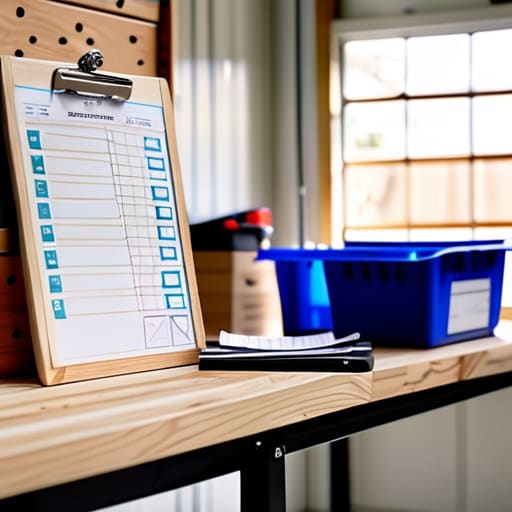
The biggest mistake I see people make is trying to tackle the whole garage in one afternoon without a plan. You end up halfway through a pile of old paint cans and half-broken holiday decor, feeling more overwhelmed than when you started. That’s why I swear by a dedicated garage decluttering checklist. Instead of viewing the space as one giant, intimidating mess, a checklist allows you to break the chaos down into manageable bites—like “sorting seasonal gear” or “purging expired chemicals.” It turns a mountain into a series of small, winnable tasks.
Once you’ve actually cleared the floor, the real magic happens when you stop thinking horizontally and start thinking up. If you’re working with limited square footage, you really need to focus on vertical wall storage ideas to keep your walkways clear. I’ve found that once I get my tools off the workbench and onto a structured system, the whole room feels lighter. It’s not about having a pristine showroom; it’s about creating a layout where everything has a home so you aren’t hunting for a screwdriver for twenty minutes every time a project pops up.
Smart Garage Storage Solutions That Reduce Daily Mental Load
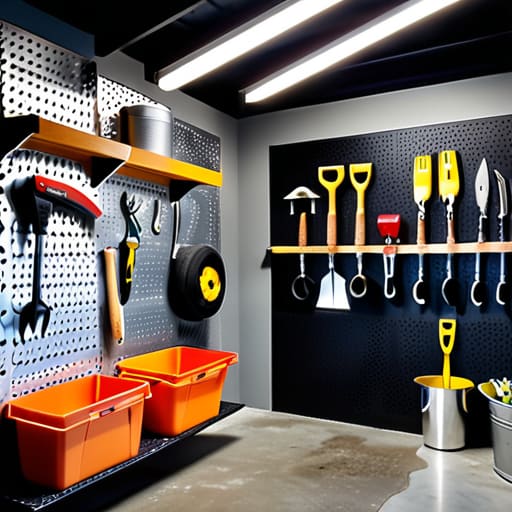
Once you’ve finished the heavy lifting of decluttering, the goal is to make sure the chaos doesn’t creep back in. For me, the secret to a functional space is all about visibility; if I can’t see it, I forget I own it, and then it becomes clutter again. I’m a huge advocate for vertical wall storage ideas like pegboards or slatwalls. By getting your items off the floor and onto the walls, you aren’t just maximizing small garage space, you’re also creating a visual map of your gear. It makes grabbing a screwdriver or a trowel feel intuitive rather than a scavenger hunt.
If you have larger items that don’t fit on a pegboard, I highly recommend investing in sturdy garage shelving systems. Instead of just stacking bins haphazardly, try to group things by “activity zones”—think one shelf for gardening, one for seasonal decor, and another for car maintenance. This kind of intentionality is what actually reduces your daily mental load. When everything has a designated home, you stop wasting energy searching for things and start enjoying the space you’ve worked so hard to reclaim.
Three Small Systems to Keep the Chaos at Bay
- Zone your space by frequency of use. I’ve learned the hard way that if I put my seasonal camping gear right by the door, I’ll never actually use it. Keep the things you grab every single week—like your trash bags or basic tools—at eye level and within easy reach, and relegate the “once-a-year” stuff to the highest shelves or the very back.
- Label everything, even if it feels extra. There is a specific kind of mental fatigue that comes from digging through three different opaque bins just to find the holiday lights. Using a simple label maker or even just a piece of masking tape and a Sharpie ensures that when you put something away, it actually goes back where it belongs.
- Implement a “one-in, one-out” rule for gear. Garages have a way of becoming “stuff graveyards” where old projects go to die. To keep your new systems from getting overwhelmed, make a pact with yourself: if you bring home a new power tool or a set of garden shears, something old and unused has to be donated or tossed.
Final Thoughts on Building Your System
Remember that your garage doesn’t need to look like a showroom; it just needs to work for you. Focus on creating repeatable systems that make finding your gear easy, so you can spend less time searching and more time actually using your space.
Start small and be patient with yourself. You don’t have to tackle the entire floor space in one weekend—just pick one corner or one shelf, get it functional, and let that momentum carry you through the rest of the chaos.
Finding Your Flow in the Garage
At the end of the day, organizing your garage isn’t about achieving some pristine, showroom-ready aesthetic; it’s about building a system that serves you. By working through a clear decluttering checklist and investing in storage solutions that actually fit your workflow, you’re doing more than just moving boxes around. You are reducing the friction in your daily routines. Whether it’s finding your gardening shears in seconds or finally having a dedicated spot for your seasonal gear, these small wins add up to a significantly lower mental load every time you open that big garage door.
Please remember to be kind to yourself as you navigate this process. It’s easy to feel overwhelmed when you’re staring at years of accumulated “stuff,” but progress happens in increments, not all at once. Start small, stay consistent, and focus on creating a space that feels functional rather than perfect. Once you have your systems in place, you’ll realize that a tidy garage isn’t just about storage—it’s about reclaiming the mental space you need to actually enjoy your home.
Frequently Asked Questions
How do I know when to actually get rid of something versus just finding a better place to store it?
This is the million-dollar question, isn’t it? I used to fall into the “organized clutter” trap constantly. My rule of thumb is this: if you’re only keeping it because you’re “saving it for a project” that hasn’t happened in two years, let it go. If an item doesn’t serve a functional purpose or bring you genuine peace, a better bin won’t fix the mental weight it carries. If it’s just taking up headspace, it’s gotta go.
I have a really small garage; are there specific ways to maximize vertical space without it feeling overwhelming?
When your footprint is small, the floor is your enemy. I’ve learned that if it’s sitting on the ground, it’s just clutter waiting to happen. Focus on heavy-duty wall tracks or slatwalls; they let you swap out hooks as your needs change without a total overhaul. Also, don’t sleep on ceiling-mounted racks for seasonal stuff. The trick is to keep the “visual noise” low—use uniform bins so your eyes don’t jump everywhere.