
I remember sitting at my desk last Tuesday, staring at a half-empty bag of gummy bears and feeling that familiar, heavy brain fog settle in. It wasn’t a lack of willpower; it was a systemic failure. We’ve been told that learning how to reduce sugar in your diet requires expensive organic superfoods or a complete, soul-crushing pantry purge, but that’s just marketing noise. For someone like me, who thrives on predictable routines and functional living, the idea of a “sugar detox” feels less like health and more like a chaotic project waiting to fail.
I’m not here to sell you on a restrictive lifestyle overhaul or a list of impossible dietary rules. Instead, I want to share the small, repeatable systems I’ve actually used to lower my sugar baseline without losing my mind. We’re going to focus on practical swaps and smarter grocery habits—the kind of low-maintenance adjustments that actually fit into a busy, real-world schedule.
Table of Contents
Decoding the Chaos Reading Nutrition Labels for Sugar
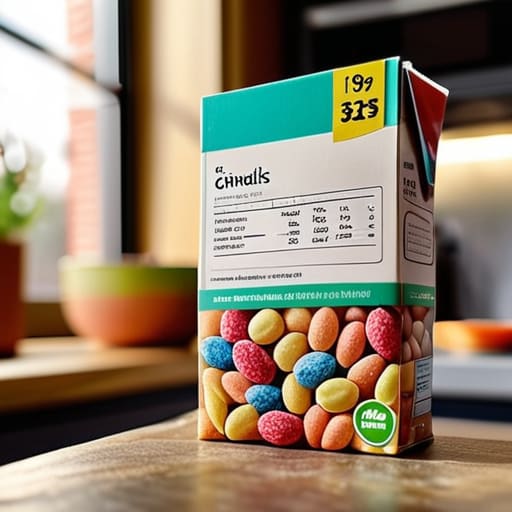
I used to think I was being “healthy” because I was picking up the low-fat yogurt or the granola bars with the cute packaging. It wasn’t until I actually sat down with my physical notebook and started mapping out what I was actually consuming that I realized how much of a trap I had fallen into. The truth is, reading nutrition labels for sugar is less about math and more about becoming a bit of a detective. You have to look past the marketing claims on the front of the box—words like “all-natural” or “heart-healthy”—and head straight for the fine print on the back.
The real challenge is spotting the hidden sugars in processed foods that don’t even look like sugar. Companies are masters at disguise; they’ll use names like maltodextrin, barley malt, or agave nectar to keep the “sugar” line on the label looking low. I’ve learned to scan the ingredient list for anything ending in “-ose” or any syrup mentioned early in the lineup. Once you start recognizing these aliases, the grocery store feels a lot less overwhelming and a lot more manageable.
Building a Better Baseline With Low Glycemic Index Foods

Once you’ve mastered the art of decoding those labels, the next step isn’t about deprivation—it’s about substitution. I’ve found that the easiest way to avoid the dreaded afternoon energy crash is to lean heavily into low glycemic index foods. Instead of reaching for a white bagel or sugary cereal that spikes your blood sugar and leaves you hunting for a snack an hour later, try swapping them for slow-burning options like steel-cut oats, lentils, or berries. These foods digest more slowly, providing a steady stream of energy rather than a frantic rollercoaster ride.
I used to think “low sugar” meant eating nothing sweet, but it’s really about managing your body’s baseline. When you focus on complex carbohydrates and fiber, you naturally dampen those intense cravings that often feel like sugar addiction symptoms. It’s much easier to maintain a system that works when you aren’t constantly fighting your own biology. Think of it as building a more stable foundation for your daily routine; when your fuel is consistent, your focus stays sharp, and the urge to raid the pantry for processed treats starts to fade.
Systems Over Willpower: Three Ways to Reclaim Your Palate
- Audit your “hidden” sources by swapping processed condiments for whole-food alternatives. I used to grab whatever jar was closest, but I’ve found that replacing sugary ketchup or bottled dressings with mustard, hot sauce, or a simple olive oil and lemon squeeze keeps the flavor without the glucose spike.
- Build a better snack system using the “Protein + Fiber” rule. Instead of reaching for a granola bar (which is often just a candy bar in disguise), I keep almonds and Greek yogurt on hand. Pairing a little protein with fiber stabilizes your energy and stops those mid-afternoon sugar cravings before they even start.
- Practice the “Slow Swap” method in your morning routine. If you aren’t ready to give up your sweetened coffee, don’t force it. Try reducing your sweetener by just half a teaspoon every week. It’s a tiny, repeatable adjustment that allows your taste buds to recalibrate without making you feel like you’re failing a diet.
My Two Golden Rules for Sustainable Sugar Reduction
Focus on swaps, not subtractions. Instead of telling yourself you “can’t” have certain things, look for functional replacements—like using Greek yogurt instead of sweetened creamers—to keep your energy steady without the crash.
Build a “buffer” in your pantry. Keep low-sugar, high-fiber staples on hand so that when you’re tired and reaching for convenience, you have a system in place that defaults to something nourishing rather than a sugar spike.
Finding Your Sustainable Rhythm
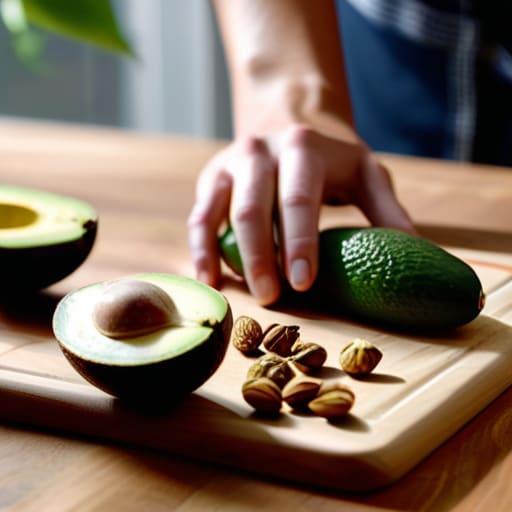
Reducing your sugar intake isn’t about a sudden, punishing lifestyle overhaul that leaves you feeling deprived by Tuesday. It’s about the small, intentional shifts we’ve talked about: learning to navigate those tricky nutrition labels, identifying hidden sugars, and prioritizing low-glycemic foods that keep your energy stable. When you stop viewing food through the lens of “good” or “bad” and start seeing it as a series of manageable systems, the process becomes much less overwhelming. Remember, the goal isn’t to reach a state of perfect dietary purity, but to build a functional baseline that supports your actual life.
If you find yourself slipping up or reaching for that extra sweet treat after a long day, please be kind to yourself. One heavy sugar day doesn’t ruin the system you’re building; it’s just a data point to learn from. Focus on progress, not perfection, and keep your eyes on how much better you feel when your blood sugar isn’t on a constant rollercoaster. You are creating space for more energy and better focus, and that is well worth the effort.
Frequently Asked Questions
How do I handle those intense sugar cravings when I'm stressed or working late?
When I’m staring at my laptop at 10 p.m. and the urge to raid the pantry hits, I try not to fight it with pure willpower—that rarely works when you’re drained. Instead, I lean on a “bridge” system. I keep a stash of high-quality dark chocolate or some salted almonds nearby. It satisfies the sensory need for something intense without the massive glucose spike that leads to a crash the next morning.
Are there any quick, low-effort snack swaps I can make that don't involve a ton of meal prep?
I totally get it—sometimes the last thing you have the mental bandwidth for is a kitchen project. If you’re looking for zero-prep wins, think “assembly, not cooking.” Swap those sugary granola bars for a handful of almonds and an apple, or try Greek yogurt with a sprinkle of cinnamon instead of flavored versions. Keeping pre-washed berries or hummus and sliced cucumbers on hand makes it easy to grab something satisfying without the decision fatigue.