
I remember sitting at my desk last Tuesday, staring at a screen so buried under random screenshots, half-finished PDFs, and “Untitled” files that I actually felt a physical tightness in my chest. It wasn’t just a messy screen; it was mental noise that made starting my simplest freelance tasks feel like climbing a mountain. We’ve been sold this idea that you need expensive productivity software or a complete digital overhaul to fix it, but honestly, learning how to organize your desktop shouldn’t feel like a second job.
I’m not here to suggest a complicated, aesthetic-only setup that looks pretty for five minutes before collapsing back into chaos. Instead, I want to share the low-maintenance systems I’ve built over years of managing messy projects and tight deadlines. We’re going to focus on practical, repeatable habits that clear the digital clutter so you can finally stop searching and start doing.
Table of Contents
Mastering Digital Decluttering Techniques for a Quieter Mind

Before we even touch a single folder, we have to address the visual noise. I used to think having a hundred tiny icons scattered across my screen was just “part of the job,” but I realized it was actually a constant, subconscious drain on my focus. Start with minimizing desktop icons by moving everything that isn’t currently active into a temporary “Inbox” folder. This gives you an immediate sense of relief and creates a blank slate. From there, I recommend a strict “one-in, one-out” rule: if you download a new resource, archive or delete an old one.
Once the surface is clear, we need to tackle the underlying mess using some solid folder structure best practices. Instead of creating deep, labyrinthine paths that take ten clicks to navigate, I aim for a shallow hierarchy that mirrors how my brain actually works. I like to categorize by “Active Projects,” “Reference,” and “Archive.” To keep things from becoming a scavenger hunt, I swear by consistent computer file naming conventions—think `YYYY-MM-DD_ProjectName_Version`. It sounds a bit rigid, but I promise, being able to find a file in three seconds instead of three minutes is a total game-changer for your mental clarity.
Building Better Folder Structure Best Practices for Daily Flow
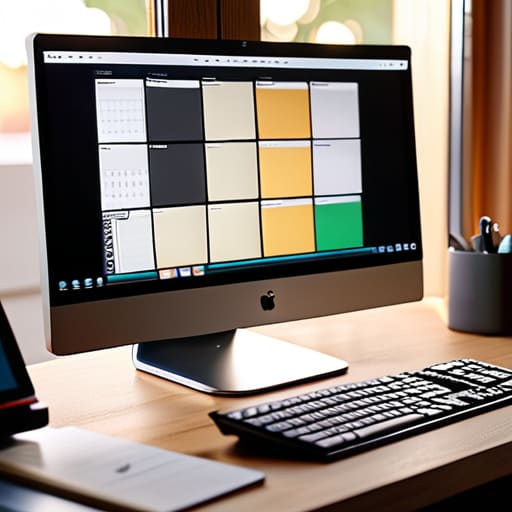
Once you’ve cleared the surface-level mess, it’s time to look beneath the hood. I used to think a dozen different folders were enough, but I’d inevitably spend twenty minutes hunting for a single PDF. Now, I swear by a tiered approach. Start with broad “buckets”—like Work, Personal, Finance, and Archive—and then create subfolders that follow a logical progression. The goal isn’t to create a labyrinth, but to implement folder structure best practices that allow you to find any document in three clicks or less. If a folder feels like it’s getting too crowded, that’s your signal to create a new sub-category.
The real secret to staying organized long-term, though, is how you actually label things. I’ve learned the hard way that naming a file “Final_Version_2” is a recipe for disaster. Instead, I use strict computer file naming conventions—usually something like YYYY-MM-DD_ProjectName_Version. It feels a bit rigid at first, but it makes searching an absolute breeze. When your files are named with intention, you aren’t just storing data; you’re building a searchable map for your future self.
Three Small Shifts to Keep the Clutter at Bay
- Stop using your desktop as a temporary holding cell. We’ve all been there—downloading a file and just letting it sit on the screen because it’s “easier.” Instead, try a “Sunday Reset.” Spend ten minutes every weekend moving those loose files into their proper homes or, if they’re truly useless, tossing them in the trash. It keeps the visual noise from building up.
- Create a “Current Projects” folder for your active work. When I’m juggling multiple freelance clients, my brain gets fried if I have to hunt through five different subfolders just to find one spreadsheet. Having one high-level folder for whatever is on your plate right now saves so much mental energy. Once the project is done, move the whole folder to your archives.
- Curate your Dock or Taskbar to reflect your actual workflow. If you have twenty icons sitting there, you aren’t being productive; you’re just staring at a digital junk drawer. Remove the apps you haven’t touched in a month. Keep only the essentials—the ones that help you actually do the work—within arm’s reach.
Final Thoughts for a Calmer Workspace
Remember that your desktop isn’t a storage unit; it’s a landing strip. Keep only what you are actively working on in sight, and let your folder system handle the rest.
Don’t aim for a perfect, museum-quality setup overnight. Start with one small habit—like a Friday afternoon “clear out”—and let those tiny wins build your momentum.
Finding Your Digital Calm

At the end of the day, organizing your desktop isn’t about achieving some impossible standard of perfection; it’s about creating a space that works for you. By implementing a regular decluttering routine and sticking to a logical folder structure, you’re essentially removing the friction from your workday. You’ve gone from a chaotic screen full of random icons to a streamlined environment where you can actually find what you need without the frantic clicking. Remember, these systems are meant to serve your productivity, not become another chore on your never-ending to-do list.
As you move forward, try to view your digital workspace as an extension of your physical home. Just like I tend to my herb garden to keep things growing beautifully, you can nurture your digital space with small, consistent habits. Don’t feel like you have to overhaul everything in one afternoon. Just pick one small area to tidy up today, and let that mental clarity carry you through the rest of your week. You’ve got this.
Frequently Asked Questions
I've finally cleared my desktop, but how do I stop myself from just saving everything back to the main screen the next day?
I’ve been there—that “clean desktop high” usually lasts about twenty-four hours before the chaos creeps back in. The trick isn’t more willpower; it’s changing your default setting. I started using a “Landing Zone” folder. Instead of saving files directly to the desktop, I save everything to that one folder. At the end of each Friday, I spend ten minutes sorting it. It keeps the visual noise away while you’re working.
Is it better to have one giant folder for everything, or should I be breaking things down into much smaller, more specific subfolders?
I’ve definitely fallen into the “one giant folder” trap before, thinking it would save time, but it actually just creates more mental noise. My rule of thumb? Aim for the middle ground. Too many tiny subfolders become a scavenger hunt, but one massive pile is a black hole. I prefer a “tiered” approach: keep your top-level folders broad (like Clients or Finances) and then break those down into specific projects. It keeps things searchable without the clutter.