
I remember sitting at my kitchen table three years ago, staring at a spreadsheet that felt more like a horror novel than a financial plan. I had just decided to renovate my tiny guest nook, but every time I looked at the quotes, my stomach did a nervous little flip. I realized then that most “expert” advice on how to plan for a big expense is either way too intimidating or assumes you have a massive, untouched safety net just sitting there. The truth is, the anxiety doesn’t come from the price tag itself; it comes from the lack of a predictable system to meet it.
I’m not here to sell you on a complex wealth-management strategy or some high-stress austerity diet. Instead, I want to share the exact, low-maintenance frameworks I use to bridge the gap between “I want this” and “I can actually afford this” without losing my mind. We’re going to build a repeatable process that handles the math for you, so you can stop worrying about the numbers and actually start enjoying the things you’re working so hard to achieve.
Table of Contents
Mastering Sinking Funds for Large Purchases Without the Stress

If you’ve ever felt that sudden pit in your stomach when a car repair or a dream vacation pops up on the horizon, you’re likely missing a dedicated system. This is where sinking funds for large purchases become your best friend. Think of a sinking fund as a mini-savings bucket specifically labeled for a single purpose. Unlike your emergency fund—which is strictly for “the world is ending” moments—these funds are for things you know are coming, like a new laptop or a wedding trip. By separating these costs from your daily spending money, you stop treating every major bill like a personal failure.
To make this work, I like to sit down with my notebook and map out a realistic saving timeline for major expenses. Instead of guessing, I look at the total cost and divide it by the number of months I have until I need it. If that monthly number feels too steep, I don’t panic; I just adjust the timeline or the goal. It’s all about managing unexpected large costs by turning them into predictable, bite-sized monthly tasks that don’t disrupt your peace of mind.
Defining Your Saving Timeline for Major Expenses
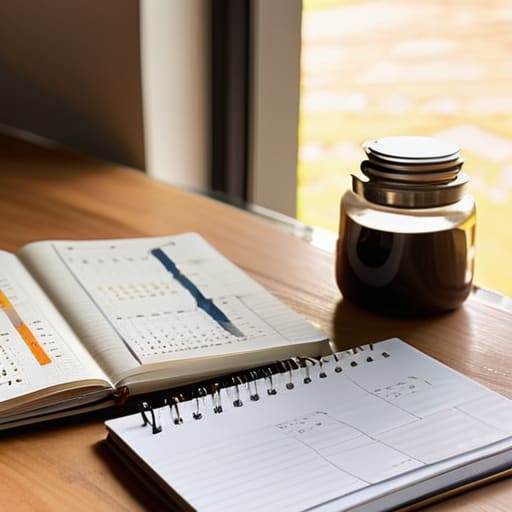
Once you’ve identified what you’re saving for, the next step is to stop guessing and start measuring. I used to fall into the trap of saying, “I’ll just save whatever is left over at the end of the month,” but that’s a recipe for feeling like you’re constantly falling behind. To make this work, you need a concrete saving timeline for major expenses. Grab that notebook of yours and sit down with your calendar. Are we talking about a dream vacation in six months, or a new car in two years? Knowing the “when” changes everything about how much you need to tuck away each week.
This is where the math meets your actual life. Once you have your date, divide the total cost by the number of months you have to get there. This turns a scary, mountain-sized number into a series of manageable, bite-sized monthly targets. It’s also important to distinguish this from your emergency fund vs big expense planning; your emergency fund is for the “oh no” moments, like a broken water heater, while this timeline is for the “heck yes” moments you’ve actually planned for. When you treat these milestones as scheduled events rather than vague wishes, the mental load just… lifts.
Three ways to make the math feel less heavy
- Audit your “invisible” leaks. Before I start moving money into a new savings bucket, I sit down with my notebook and look at my recurring subscriptions and those little daily convenience spends. It’s not about deprivation—it’s about finding the “lazy” money that’s currently slipping through the cracks so I can redirect it toward something that actually brings me joy.
- Automate the decision-making process. The biggest enemy of a saving plan is my own willpower. I set up a recurring transfer from my checking to my dedicated expense fund to happen the same day my freelance payments or paycheck hits. If I never see the money in my main account, I don’t have to spend mental energy deciding whether or not I can “afford” to spend it.
- Build in a “buffer for the unexpected.” When I’m calculating how much I need for a big trip or a new laptop, I always add a 10% margin of error. Life has a way of throwing a random car repair or a sudden vet bill at you right when you think you’re on track. That little extra cushion ensures that a minor setback doesn’t completely derail your entire progress.
The Bottom Line: Making It Stick
Stop treating big expenses like emergencies; by using sinking funds and a clear timeline, you turn a potential financial crisis into a predictable, scheduled event that doesn’t touch your daily peace of mind.
Remember that the goal isn’t to restrict your life, but to build a system that gives you permission to spend guilt-free once the money is actually there.
Finding Your Financial Calm

At the end of the day, planning for a major expense isn’t about being a math genius or having a massive windfall; it’s about the systems you put in place. By utilizing sinking funds to break down those scary numbers and setting a realistic timeline that actually fits your current lifestyle, you’ve effectively removed the guesswork from your finances. You aren’t just staring at a daunting price tag anymore; you are looking at a structured roadmap that tells you exactly where your money is going and, more importantly, when it will get you where you need to be.
Remember, the goal here isn’t to restrict your life or live in a state of constant deprivation. It’s about creating the mental space to enjoy your milestones without that nagging, low-level anxiety humming in the back of your mind. When you have a system, you can actually celebrate the purchase rather than mourning the loss of your savings. Take it one small step at a time, trust your process, and give yourself permission to enjoy the stability you’ve worked so hard to build.
Frequently Asked Questions
What should I do if my unexpected monthly expenses keep eating into the money I’ve set aside for my big goal?
This is where the “life happens” part of my manifesto kicks in. If your unexpected bills are constantly raiding your goal fund, your system is likely too rigid. First, don’t beat yourself up—it’s just data. Take a look at those “unexpected” costs. If they happen every month, they aren’t emergencies; they’re just new line items. Adjust your budget to include a dedicated “buffer” category so your big goal stays protected and untouched.
How do I decide which big purchases are actually worth creating a dedicated sinking fund for versus just using my general savings?
I usually ask myself one question: “Is this a predictable necessity or a total surprise?” If it’s something I know is coming—like a new laptop, a car repair, or a vacation—it deserves its own sinking fund. That way, the money is already “spent” in my mind, and I’m not dipping into my emergency fund. If it’s a true, unpredictable crisis, that’s what my general savings are there for.