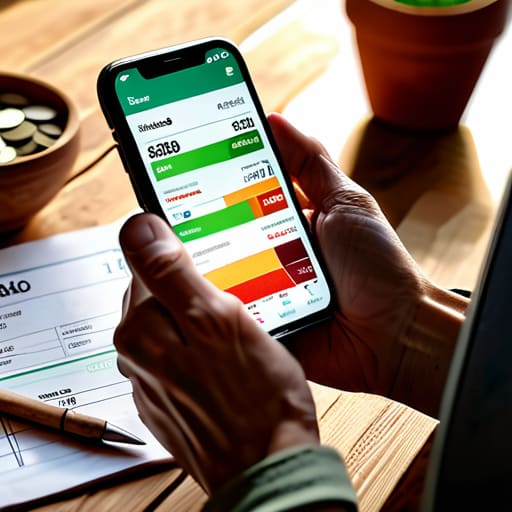
I used to think that “shopping smarter” meant spending hours scouring discount forums or obsessing over every single cent, until I found myself standing in the middle of a grocery aisle at 6:00 PM, staring blankly at a cart full of expensive, half-used ingredients I didn’t even want. The truth is, most of the advice out there is just more noise—it’s about complicated spreadsheets and restrictive rules that actually increase your mental load rather than reducing it. I realized that learning how to shop smarter isn’t about deprivation or becoming a professional coupon clipper; it’s about building a repeatable system that protects your bank account and your sanity.
In this guide, I’m skipping the hype and the “get rich quick” consumer hacks to give you the practical, grounded methods I use in my own life. We’re going to focus on creating simple workflows for your pantry, your errands, and your impulses so you can stop making decisions on impulse and start buying with intention. My goal is to help you reclaim your time and your budget through systems that actually work for a busy, real-world lifestyle.
Table of Contents
Rewiring Consumer Spending Habits to Protect Your Mental Space

For me, the hardest part isn’t actually the math; it’s the mental friction that comes with every single transaction. We’ve all been there—standing in a grocery aisle at 6:00 PM, exhausted, and suddenly finding ourselves tossing “essential” items into the cart that we didn’t actually need. These micro-decisions add up, and they create a constant, low-level hum of anxiety about where our money is actually going. To combat this, I’ve had to focus on avoiding impulse buys by creating a “buffer period” between seeing something I want and actually hitting the checkout button.
It’s about shifting your mindset from reactive to intentional. Instead of viewing shopping as a series of individual battles against temptation, I try to view it as a system of pre-determined choices. This means I spend more time on my consumer spending habits during my quiet Sunday planning sessions so that I don’t have to think when I’m actually in the thick of a busy week. When you automate the decision-making process, you aren’t just saving dollars; you’re reclaiming the mental energy you used to waste on indecision.
Strategic Price Comparison Strategies for a Functionally Managed Budget

Once you’ve addressed the psychology of your spending, it’s time to get tactical. I used to think price comparison meant spending hours scouring dozens of websites, but that’s a recipe for burnout. Instead, I focus on a few high-impact price comparison strategies that actually fit into a busy week. For me, this means keeping a running list in my notebook of the “staple prices” for items I buy every single month—think olive oil, coffee, or laundry detergent. When I see a sale on those specific items, I know immediately if it’s a genuine win or just clever marketing.
I also try to lean heavily into seasonal sales timing rather than chasing every random discount. If I know certain pantry staples or household goods go on deep discount at specific times of the year, I’ll stock up then. It turns a reactive chore into a proactive system. This isn’t about being cheap; it’s about maximizing coupon usage and sales cycles so that my money works harder for me, leaving more room in my budget for the things that actually bring me joy.
Three Simple Systems to Keep Your Shopping Under Control
- Build a “Living Grocery List” in your notes app. Instead of making a frantic list while standing in the middle of a crowded aisle, I’ve learned to jot down items the second I run out. It stops that mid-aisle decision fatigue that usually leads to me grabbing things I don’t actually need just because I’m hungry and overwhelmed.
- Implement a “72-Hour Cooling Period” for non-essentials. When I see something online that feels like a “must-have,” I add it to my cart but I don’t check out for three days. Most of the time, the impulse fades, and I realize my space (and my bank account) is better off without it.
- Master the “Unit Price Audit.” Don’t let flashy “sale” signs trick you into thinking you’re saving money. I always take a quick second to look at the small price-per-ounce or price-per-unit on the shelf tag. It’s a tiny habit, but it ensures I’m actually getting the best value for my hard-earned money rather than just falling for clever packaging.
The Bottom Line: Systems Over Spontaneity
Stop treating every shopping trip like a fresh start; instead, build a repeatable framework of lists and budget boundaries that does the heavy lifting for you when your willpower is low.
Remember that true “smart shopping” isn’t just about finding the lowest price, but about reducing the decision fatigue that comes with constant, unorganized consumption.
Finding Your Flow

At the end of the day, shopping smarter isn’t about deprivation or obsessing over every single cent; it’s about building a framework that works for you. By shifting your mindset away from impulse buys and implementing a few intentional comparison strategies, you aren’t just saving money—you’re reclaiming your focus. We’ve covered how to rewire those deep-seated spending habits and how to use tactical price comparisons to keep your budget intact. When you treat your finances like a project to be managed rather than a source of anxiety, you start to see the difference. It’s about creating a sustainable system that supports your lifestyle instead of draining it.
I know that starting these new habits can feel like just another thing on your to-do list, but I promise it’s worth the initial effort. As you begin to implement these small, repeatable changes, you’ll notice that the mental clutter begins to lift. You’ll find yourself standing in the grocery aisle or browsing online with a sense of calm, knowing exactly why you’re making each choice. Remember, the goal isn’t perfection; it’s functional peace of mind. You deserve to spend your energy on the things that actually bring you joy, not on the stress of unmanaged spending.
Frequently Asked Questions
How do I actually stick to my grocery list when I'm tired or stressed after a long workday?
We’ve all been there—standing in the aisle, staring at a box of frozen pizza because your brain is fried. When I’m running on empty, I rely on “decision-free” shopping. I try to shop with a pre-made list organized by aisle, so I don’t have to hunt. Most importantly, I never shop hungry or after a high-stress meeting if I can help it. If I’m too exhausted, I skip the store and order a quick grocery delivery instead. Protect your peace.
Is it worth the extra time to meal prep every single week, or is there a middle ground that won't lead to burnout?
Honestly? Full-scale meal prepping every single Sunday is a fast track to burnout for most of us. I used to try that “all-or-nothing” approach, only to end up staring at Tupperware I couldn’t face by Wednesday. Instead, I opt for “component prepping.” I’ll roast a big batch of veggies, cook a grain, and prep one protein. It’s the middle ground that gives you flexibility without the exhaustion. Systems should serve you, not the other way around.