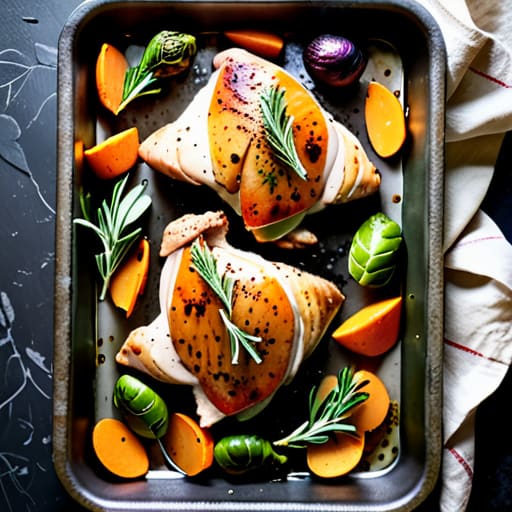
There are those specific Tuesday nights where the mental load just feels a little too heavy, and the last thing I want to do is stand over a stove for forty minutes. We’ve all been there—staring into a fridge that feels empty, even when it’s technically full, feeling that low-level decision fatigue set in. I’ve found that the secret to reclaiming my evenings isn’t about cooking elaborate meals; it’s about leaning into simple sheet pan dinners that do the heavy lifting for me.
In this post, I’m sharing three of my absolute go-to combinations that have become essential parts of my weekly rotation. These aren’t just recipes; they are small, repeatable systems designed to minimize the cleanup and maximize your downtime. By the end of this, you’ll have three foolproof blueprints to help you navigate the weeknight chaos without feeling like you’ve failed at adulthood.
Table of Contents
The Roasted Mediterranean Medley
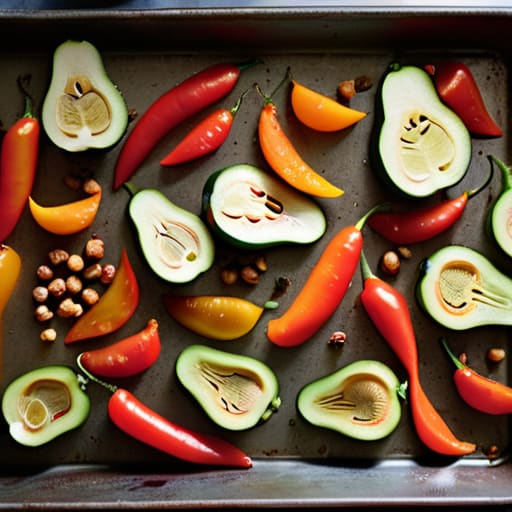
When my freelance workload spikes and I feel that familiar mental fog setting in, I lean heavily on this specific combination of chickpeas, bell peppers, zucchini, and red onion. It’s a go-to because the prep is almost non-existent; I just chop everything into roughly the same size, toss them in olive oil and dried oregano, and let the oven do the heavy lifting. This is one of those meals that feels intentionally nourishing without requiring me to stand over a stove for forty minutes.
Lemon-Garlic Salmon and Asparagus
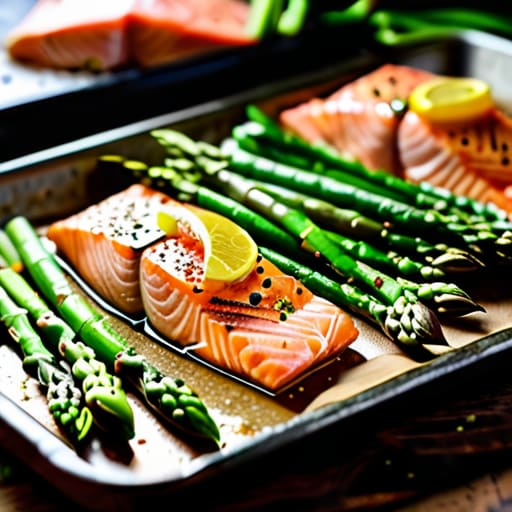
There are nights when I feel like I need a bit more protein to ground myself, and this is my reliable, high-efficiency solution. I line a sheet pan with parchment paper—which is a total game-changer for cleanup—and lay out salmon fillets alongside a bunch of trimmed asparagus. A few slices of lemon, a drizzle of olive oil, and a generous amount of garlic powder are all you really need to make this feel like a restaurant-quality meal.
Sausage, Apple, and Sweet Potato Bake
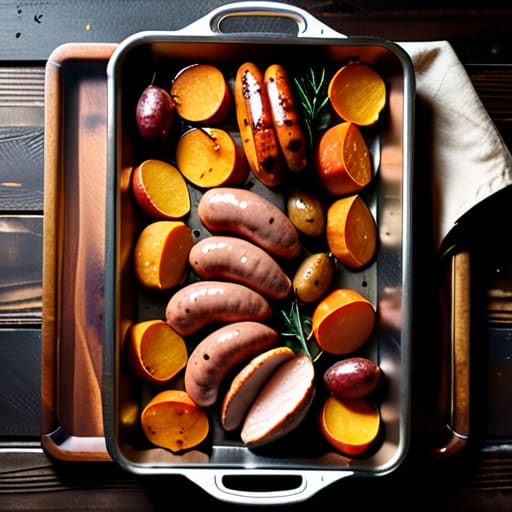
This is my ultimate “comfort food” system for those slightly gloomier, rainy afternoons when I just want something warm and hearty. I use pre-cooked chicken sausages to keep the prep time under ten minutes, pairing them with cubed sweet potatoes and sliced apples. The way the sweetness of the apple plays against the savory sausage is incredible, and it creates a sense of sensory calm that a standard salad just can’t provide.
The Bottom Line
Focus on the system, not the perfection; even a mismatched set of pans works if it gets a nutritious meal on the table without the mental clutter of a sink full of dishes.
Build your rotation around versatile staples so that “what’s for dinner” stops feeling like a high-stakes decision and starts feeling like a manageable task.
Finding Your Rhythm in the Kitchen
At the end of the day, these sheet pan dinners aren’t about becoming a gourmet chef or following a rigid culinary doctrine. They are about the practicality of timing. By leaning on simple proteins, seasonal vegetables, and a reliable roasting temperature, you’ve built a system that minimizes dishes and maximizes your evening. Whether you’re choosing a hearty salmon roast or a quick veggie medley, the goal is to move through your kitchen with less friction and more intention.
I know how it feels when the mental load of “what’s for dinner” starts to feel heavy, especially after a long day of managing projects or errands. But remember, you don’t need a perfectly curated pantry or a spotless kitchen to have a successful meal. You just need a plan that works for your actual life. Start small, keep your tools simple, and give yourself permission to embrace the ease. Once you reclaim that hour of evening chaos, you’ll realize that the real win isn’t just the meal itself, but the quiet moment you get to enjoy it.
Frequently Asked Questions
How do I make sure my veggies don't turn into mush while the protein is still cooking?
This is such a common frustration—there is nothing worse than a plate of soggy, overcooked broccoli. My rule of thumb is to treat your pan like a timeline. I always look at the cook times first: if you’re doing thick chicken thighs with delicate asparagus, don’t toss them in together. Wait until the protein is halfway done, then slide the veggies onto the tray. It keeps everything crisp and intentional.
Is there a way to prep these ingredients ahead of time without everything getting soggy in the fridge?
The short answer is yes, but you have to treat your ingredients differently. I’ve learned the hard way that throwing everything in one container is a recipe for mush. My rule of thumb? Prep your “hard” veggies—like carrots, potatoes, or broccoli—up to three days in advance. For anything delicate or high-moisture, like sliced zucchini or tomatoes, wait until the night of. Keeping them separate in the fridge is the secret to avoiding that dreaded sogginess.