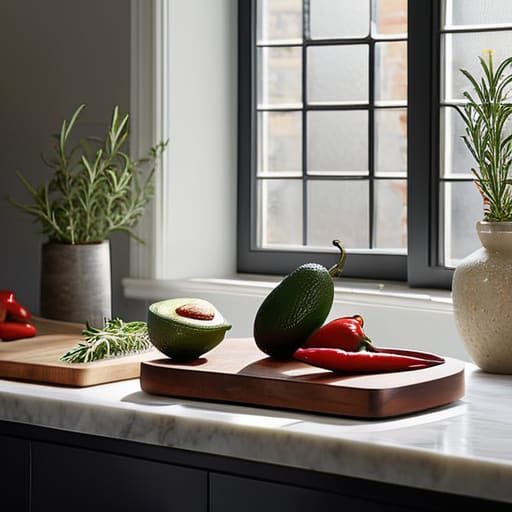
I used to think that a cluttered, chaotic kitchen was just a side effect of a busy life, but I’ve realized it’s actually a symptom of poor systems. When I was first transitioning into freelance work, my kitchen often felt like a battlefield of half-prepped ingredients and unwashed tools, which only added to my mental load. I spent way too much time scrolling through endless reviews, trying to figure out which kitchen gadgets worth buying were actually going to save me time and which were just going to take up precious counter space.
I’ve learned the hard way that you don’t need a kitchen full of bells and whistles; you just need a few high-impact tools that actually work. In this post, I’m sharing the three specific items that have fundamentally changed my workflow and helped me reclaim my evening calm. These aren’t just impulse buys—they are the small, repeatable systems that turn cooking from a stressful chore into something that feels truly sustainable.
Table of Contents
The Magic of a High-Quality Chef’s Knife
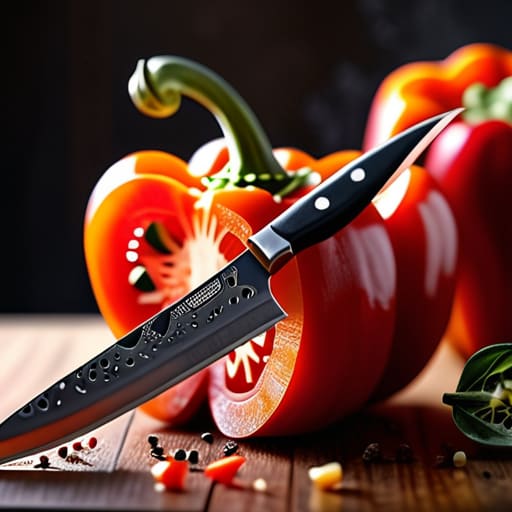
I used to think that having a drawer full of cheap, mismatched knives was fine, but I quickly realized that was just adding more friction to my evening routine. There is something incredibly grounding about using a single, well-balanced knife that actually glides through a bell pepper instead of bruising it. It turns meal prep from a tedious chore into a moment of mindfulness, which is exactly what I need after a long day of staring at project timelines.
A Digital Instant-Read Thermometer

If there is one thing my transition to freelance life taught me, it’s that wasted resources are a huge mental drain. There is nothing quite as demoralizing as spending an hour prepping a beautiful piece of salmon only to realize it’s overcooked and dry because you were guessing the temperature. I stopped relying on the “poke test” months ago, and honestly, my stress levels have plummeted ever since.
The Power of an Electric Kettle
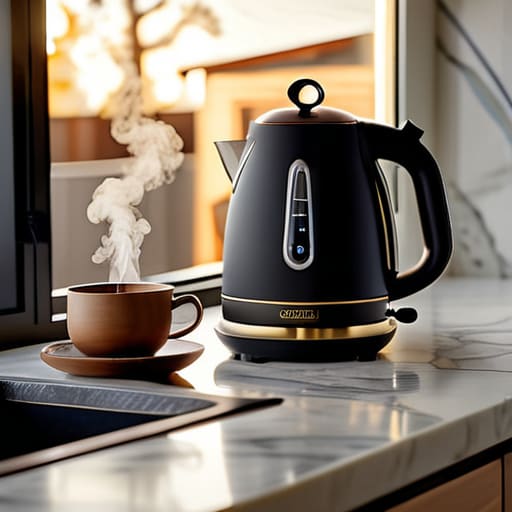
My morning ritual is sacred, and for me, it usually starts with a quiet cup of tea before the laptop lid even opens. I used to wait for the stovetop kettle to boil, but that felt like an unnecessary wait in an already busy morning. Switching to a fast-acting electric kettle was a small change that significantly streamlined my flow, giving me those few extra minutes of calm before the workday officially begins.
The Bottom Line
Don’t buy for the “what if”—buy for the “what is.” Only invest in tools that solve a recurring friction point in your actual, daily cooking routine.
A gadget is only as good as the system it supports. Aim for tools that simplify your cleanup and prep, rather than adding more clutter to your mental load.
Finding Your Flow
At the end of the day, these tools aren’t about having a showroom-ready kitchen or owning every trendy piece of tech that hits the market. It’s about finding those specific items—whether it’s that reliable immersion blender or the perfect prep station—that actually remove friction from your evening routine. When you invest in gadgets that serve a clear, repeatable purpose, you aren’t just buying hardware; you are investing in a more streamlined workflow that lets you move through your space with much less mental resistance.
I know how it feels when the kitchen feels like a mountain of chores waiting to happen, but remember that you don’t need a total overhaul to feel in control. Start small. Pick one tool that makes a single task feel a little more effortless, and let that be your win for the week. My hope is that you stop viewing cooking as another item on your to-do list and start seeing it as a moment to actually breathe and enjoy the process. You’ve got this.
Frequently Asked Questions
How do I know if a gadget is actually worth the counter space, or if it's just going to end up gathering dust in a cabinet?
That is the million-dollar question, isn’t it? Honestly, I use a simple “frequency vs. friction” rule. Before I buy, I ask myself: Will I use this at least once a week? And more importantly, does it actually remove a step or a mental hurdle in my routine? If it’s just a “nice-to-have” that requires a massive cleanup afterward, it’s just taking up mental and physical real estate. If it doesn’t solve a recurring frustration, leave it on the shelf.
Are there any specific "starter" tools you'd recommend for someone trying to build a functional kitchen system without breaking the bank?
If you’re just starting to build out your system, don’t feel like you need a high-tech arsenal. I always tell people to start with the “friction points”—those little tasks that make you sigh. A decent chef’s knife, a solid wooden cutting board, and even a set of clear glass nesting containers can change everything. They aren’t flashy, but they remove the tiny hurdles that make cooking feel like a chore.