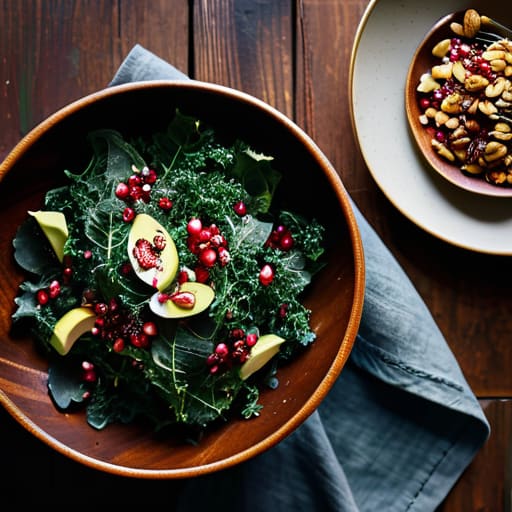
I used to think that making a decent lunch meant buying those overpriced, pre-packaged “superfood” bowls that cost more than my morning coffee and still tasted like wet cardboard. I’d stare at a pile of limp arugula and a lonely cherry tomato, wondering how to make salad interesting without spending forty minutes in the kitchen or an entire paycheck at the specialty grocer. It’s a frustrating cycle: you want something that actually fuels your afternoon, but you end up settling for a sad, flavorless bowl of leaves just because it’s the path of least resistance.
I’m not here to sell you on some complicated, twelve-step culinary ritual or a list of exotic ingredients you’ll use once and let rot in the crisper drawer. Instead, I want to show you how to build a repeatable system of textures, fats, and acids that turns a bowl of greens into something you actually look forward to eating. We’re going to focus on functional flavor—simple, smart swaps that take minimal effort but make your midday meal feel like a win rather than a chore.
Table of Contents
Flavor Balancing in Salads a System for Every Bowl
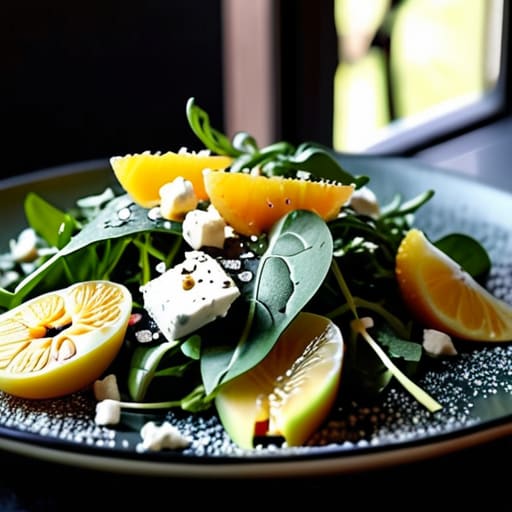
Instead of following a rigid recipe, I like to treat my lunch like a small project with four specific deliverables: acid, fat, salt, and crunch. If your salad feels “flat,” it’s usually because you’re missing one of these pillars. Most of us default to just greens and a heavy bottled dressing, but true flavor balancing in salads happens when you play with contrast. Think about it: if you have something creamy like avocado or feta, you need a sharp hit of acid—maybe a squeeze of lemon or a quick balsamic splash—to cut through that richness.
I’ve also found that adding texture to salads is the secret to making them feel like a real meal rather than a side dish. I keep a small stash of toasted sunflower seeds, pickled red onions, or even crushed pita chips in my pantry for this exact reason. When you combine those sharp, crunchy elements with a reliable base of seasonal salad ingredients, you stop viewing salad as a chore and start seeing it as something you actually look forward to eating.
Adding Texture to Salads Using Seasonal Salad Ingredients
If you’ve ever felt like your lunch was just a bowl of wet, mushy leaves, you’re likely missing the structural element that makes a meal feel complete. I’ve learned that adding texture to salads is less about fancy ingredients and more about intentional layering. When I’m planning my weekly prep, I look for that specific contrast between soft greens and something with a real “bite.” In the fall, that might mean shaving raw, crisp fennel or adding toasted pepitas; in the summer, it’s all about those juicy, firm chunks of seasonal fruit like stone peaches or watermelon.
The trick to keeping this system sustainable is to lean into what’s actually available at the market. Using seasonal salad ingredients ensures you aren’t fighting against produce that’s gone soft or flavorless. I always keep a small stash of “crunch insurance” in my pantry—think sunflower seeds, dried lentils, or even crushed walnuts—to toss in when my fresh produce feels a bit too soft. By pairing a creamy element, like avocado or feta, with something sharply crunchy, you create a sensory experience that actually makes you want to sit down and eat.
The Three Pillars of a Non-Boring Salad
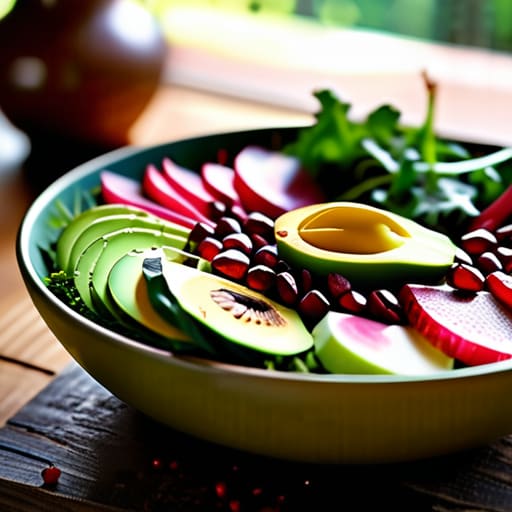
- Stop relying on store-bought dressing. Most bottled versions are just salt and sugar masquerading as food. Instead, keep a “dressing station” in your fridge with high-quality olive oil, a few citrus fruits, and some Dijon mustard. A quick shake in a small jar gives you a bright, acidic finish that actually wakes up your palate rather than coating it in heavy sludge.
- Lean into the “Umami Boost.” If your salad feels like it’s missing something but you can’t put your finger on it, you probably need savory depth. I always keep a small jar of nutritional yeast, some shaved parmesan, or even a few crumbled bits of feta on hand. That hit of salt and savory richness turns a pile of leaves into a meal that actually feels satisfying.
- Master the “Temperature Contrast.” A salad doesn’t have to be a cold bowl of nothingness. I’ve found that adding one warm element—like roasted sweet potatoes from last night’s dinner or even just some quickly sautéed chickpeas—changes the entire experience. That interplay between cool greens and warm toppings makes the meal feel intentional rather than like an afterthought.
The Low-Stress Salad Checklist
Stop treating salad like a side dish and start treating it like a formula: you need a base, a crunch, a hit of acid, and a reliable fat to make it a meal that actually keeps you full.
Keep a “texture toolkit” in your pantry—things like toasted sunflower seeds, dried cranberries, or even crushed pita chips—so you can upgrade a boring bowl in seconds without a trip to the store.
Beyond the Bowl
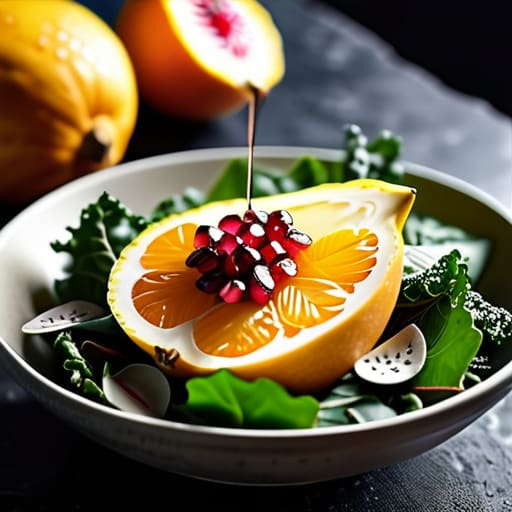
At the end of the day, making a salad interesting isn’t about following a rigid recipe or buying expensive, niche superfoods. It’s about having a reliable system of flavor, texture, and acid that you can lean on when you’re tired and staring into a half-empty fridge. Once you stop viewing a salad as a chore and start seeing it as a modular framework of crunchy seeds, bright dressings, and seasonal greens, the mental load of meal prepping completely disappears. You aren’t just eating leaves; you’re building a meal that actually satisfies.
Don’t feel like you have to master every single combination overnight. Start small—maybe just by adding one new crunchy element or a better vinaigrette this week. The goal isn’t to create a culinary masterpiece every single afternoon, but to build a functional habit that fuels your body without draining your energy. Remember, your kitchen should work for you, not the other way around. Build your systems, keep it simple, and actually enjoy the fuel that keeps you going.
Frequently Asked Questions
How do I stop my salads from getting soggy if I'm prepping them ahead of time for work lunches?
The “Jar Method” is my absolute lifesaver for work lunches. Stop tossing everything into a container and hoping for the best; that’s a recipe for sad, wilted greens. Instead, use a wide-mouth mason jar. Layer your ingredients in this specific order: dressing at the very bottom, followed by hard veggies like cucumbers or chickpeas, then your proteins, and finally the greens at the very top. This keeps the moisture away from the leaves until you’re actually ready to shake and eat.
I struggle with portion control when adding "fun" ingredients like cheese or nuts—how do I keep these additions from turning a light salad into a heavy meal?
I totally get this. It’s so easy for a “healthy” salad to turn into a calorie bomb once you start adding those delicious extras. I’ve started using a “prep-and-portion” system to keep myself in check. Instead of grabbing a handful directly from the bag, I measure out my nuts or cheese into small ramekins or even my little notebook’s divider sections during my Sunday meal prep. It turns the addition into a deliberate choice rather than an accidental heavy lift.