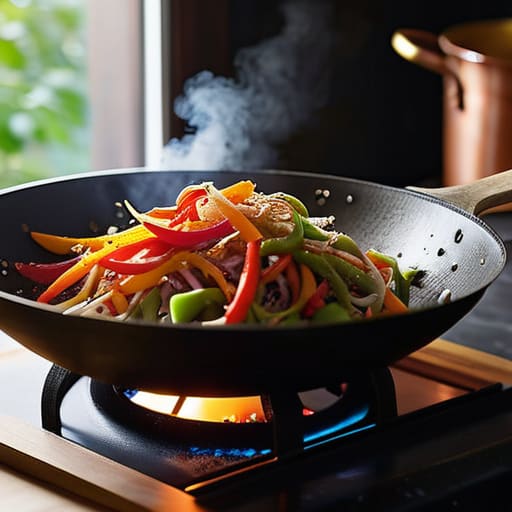
I used to think that learning how to make a stir fry meant I needed a specialized carbon steel wok, a collection of exotic sauces I’d use once, and a kitchen that looked like a professional chef’s studio. But honestly? Most of those “authentic” recipes online are just a recipe for unnecessary stress. I spent way too many Tuesday nights staring at a pile of half-chopped peppers while my protein burned in a pan because I was trying to follow a process that was far too complicated for a weeknight.
I’m not here to sell you on expensive gadgets or a twenty-step ritual. Instead, I want to show you a repeatable system that works with the tools you already have in your kitchen. We’re going to focus on a streamlined prep method and a logical heat sequence so you can get a delicious, high-quality meal on the table without the mental clutter. This is about making dinner functional, fast, and actually enjoyable.
Table of Contents
Streamlined Protein Preparation for Stir Fry and Efficient Sauting
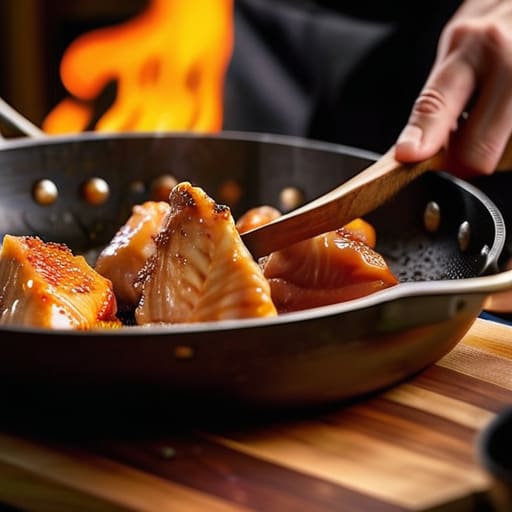
The biggest mistake I see people make is trying to cook the protein at the same time they’re tossing in the veggies. If you do that, you’ll end up with a crowded pan, steaming meat instead of searing it, and a whole lot of stress. My rule of thumb for efficient protein preparation for stir fry is to slice everything into uniform, bite-sized pieces before you even touch the stove. I find that if I prep my chicken or tofu in one quick burst, I can sear it off in a hot pan, remove it immediately, and then move on to the vegetables without any guesswork.
Once the protein is cooked and set aside, you’ve already cleared the biggest hurdle. This creates the perfect window for high heat vegetable sautéing, where you can focus entirely on getting that beautiful char on your peppers and broccoli without worrying about overcooking your meat. By separating these steps, you aren’t just cooking; you’re managing the workflow of your kitchen so you can actually enjoy the process rather than feeling like you’re racing against a ticking clock.
Curating Essential Stir Fry Seasonings and Balanced Sauce Ingredients
Once your protein is prepped and ready to go, the next step is building your flavor foundation. I’ve learned the hard way that nothing kills the momentum of a quick weeknight meal like realizing you’re out of soy sauce mid-sauté. To avoid that frantic cabinet-searching, I like to keep a “flavor kit” ready. This includes my essential stir fry seasonings: toasted sesame oil, garlic powder, ginger, and a good quality soy sauce. If you want to level up, keep a jar of cornstarch nearby; it’s the secret to getting that glossy, restaurant-quality finish that clings to your vegetables rather than pooling at the bottom of the pan.
When it comes to the actual liquid components, think of your stir fry sauce ingredients as a balance of salty, sweet, and acidic. I usually mix my sauce in a small bowl or even my trusty notebook’s coffee mug before I even touch the stove. A simple ratio of soy sauce, a splash of rice vinegar, and a teaspoon of honey works every single time. By having this mixture pre-measured and sitting right next to your prep station, you ensure you can pour it in at the exact moment the heat is highest, locking in all those delicious flavors without the stress.
Three Small Systems for a Stress-Free Sauté
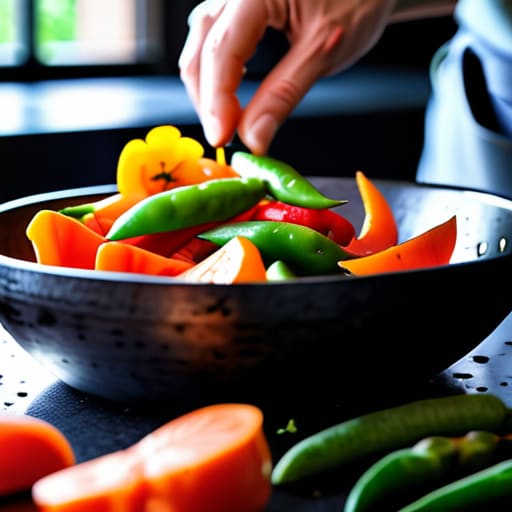
- Group your vegetables by “cook time” before you even touch the stove. I always keep my hard veggies (like carrots or broccoli) in one pile and my quick-wilting greens (like spinach or bok choy) in another. This prevents that frantic moment where you’re staring at a pan of burnt garlic while you’re still trying to slice a bell pepper.
- Master the “one-bowl sauce” method to eliminate mid-cook clutter. Instead of grabbing individual bottles of soy sauce, sesame oil, and cornstarch while the pan is smoking, whisk everything together in a small ramekin beforehand. It turns a high-stress multitasking moment into a simple, single-motion pour.
- Invest in a heavy-bottomed pan and let it get truly hot before adding anything. A common mistake I made early on was crowding a lukewarm pan, which leads to steaming rather than searing. If you want that restaurant-quality texture without the soggy mess, wait for that slight shimmer of oil before your ingredients hit the heat.
Two Ways to Keep Your Kitchen Flowing
Master your “mise en place” by prepping all your proteins and sauces before the heat goes on; it prevents that frantic, last-minute scramble when things start sizzling too fast.
Build a modular sauce system rather than following rigid recipes, which allows you to swap ingredients based on what’s actually in your pantry without losing that essential balance of salt, acid, and sweetness.
Mastering the Flow
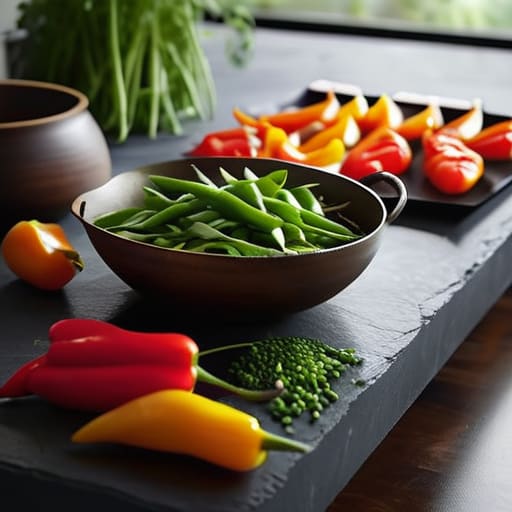
At the end of the day, a great stir fry isn’t about following a rigid recipe to the letter; it’s about the systems you put in place before the pan even hits the heat. By prepping your proteins efficiently and having your sauce components measured out and ready to go, you remove the frantic energy that usually turns cooking into a chore. Once you have your seasonings curated and your workspace organized, the actual cooking becomes a rhythmic, almost meditative process rather than a race against a burning pan.
Remember, the goal here isn’t to produce a Michelin-star meal every single night, but to reclaim your evening from the chaos of decision fatigue. Some nights you’ll nail the perfect crunch, and other nights you’ll just be happy you didn’t order takeout again. Both are wins in my book. Use these small, repeatable steps to make dinner feel manageable, and you’ll find you have much more mental space to actually sit down and enjoy the food you’ve made.
Frequently Asked Questions
How do I keep my vegetables from turning into mush if I'm cooking in small batches?
The secret is all about heat management and timing. When you’re working in small batches, your pan can actually lose temperature faster if you’re moving things around too much. To avoid that dreaded mushy texture, make sure your pan is screaming hot before the veggies hit the surface. Sear them quickly to lock in that crunch, pull them out onto a plate, and only recombine everything at the very last second with your sauce.
What’s the best way to prep everything ahead of time so I'm not scrambling while the pan is smoking hot?
The secret is treating your prep like a project rollout: everything must be staged before the “go-live” moment. I use a “mise en place” system, but let’s call it what it really is—organized chaos prevention. Group your chopped veggies into small bowls or even just little piles on a large cutting board, categorized by cook time. Keep your sauce in a single jar and your proteins in another. If you aren’t ready to pour, don’t turn on the heat.