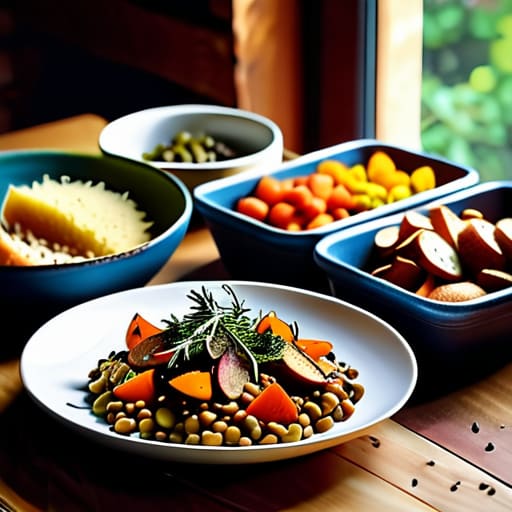
I used to think that eating well on a dime meant a lifetime of bland lentils and sad, unseasoned rice, but honestly? That’s just a myth that keeps us from actually enjoying our food. I spent way too many years in my early twenties thinking that “budget friendly meals” had to be synonymous with deprivation, usually ending in a frantic, expensive DoorDash order because I was too tired to face my empty pantry. It turns out, you don’t need a massive grocery budget or a pantry full of exotic spices to eat something that actually feels like a real meal.
In this guide, I’m stripping away the culinary fluff and sharing the exact systems I use to keep my kitchen running without draining my savings. I won’t give you any complicated recipes that require a trip to three different specialty stores; instead, I’m focusing on repeatable, low-stress frameworks that work for real life. We’re going to talk about how to build a grocery list that actually makes sense and how to turn basic staples into something genuinely satisfying.
Table of Contents
Low Cost Grocery Shopping Tips to Reclaim Your Mental Space
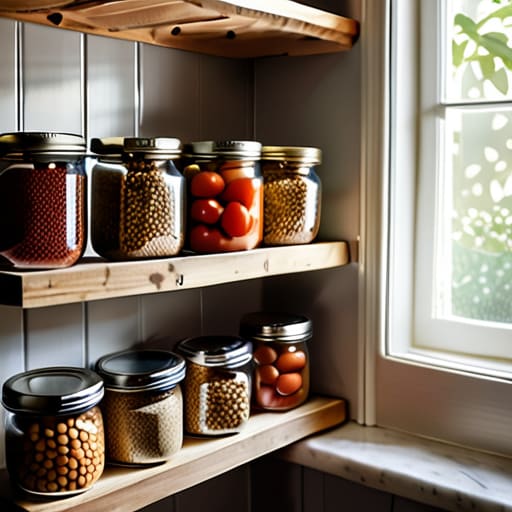
I’ve learned the hard way that the grocery store is a major source of decision fatigue. If I walk in without a plan, I end up wandering the aisles, grabbing whatever looks good in the moment, and then staring at a receipt that makes my stomach sink. To combat this, I’ve leaned heavily into building a foundation of economical pantry staples. Think things like dried lentils, oats, canned tomatoes, and long-lasting grains. When your cupboards are stocked with these basics, you aren’t starting from zero every Tuesday night; you’re just building on what you already have.
Another shift that changed my mental load was moving away from “shopping for recipes” and instead shopping for versatile ingredients. Instead of buying specific, expensive items for one single dish, I look for items that can pivot between different meals. This approach is a cornerstone of bulk cooking for savings, allowing me to prep a large batch of roasted vegetables or a hearty grain salad that serves as a base for three different lunches. It’s less about restriction and more about creating a predictable, repeatable system that keeps the grocery bill—and my stress levels—under control.
Economical Pantry Staples for Stress Free Weeknight Cooking
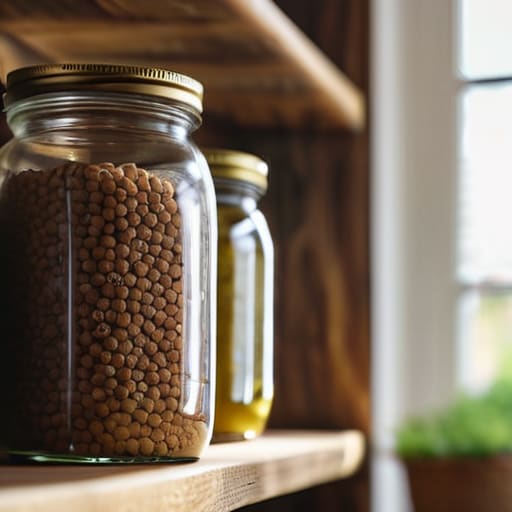
If there is one thing my years of freelance project management have taught me, it’s that you can’t build a solid project without the right raw materials. The same goes for your kitchen. I’ve learned to stop viewing my pantry as just a storage space and started seeing it as my strategic reserve. Instead of wandering the aisles looking for inspiration, I rely on a handful of economical pantry staples that act as the building blocks for almost everything I cook. I’m talking about the heavy hitters: dried lentils, brown rice, canned chickpeas, and high-quality olive oil.
These items are the secret to avoiding that 6:00 PM “what’s for dinner?” panic that usually ends in an expensive takeout order. When you have these basics on hand, you aren’t just saving money; you’re reducing the decision fatigue that drains your energy after a long workday. By leaning into bulk cooking for savings with these versatile ingredients, you can whip up a nourishing grain bowl or a hearty lentil soup in minutes. It’s about having a reliable foundation so that even on my most chaotic days, I can still feed myself well without the stress.
Three Simple Systems to Keep Your Kitchen (and Budget) on Track
- Master the Art of the “Component Prep.” Instead of spending your entire Sunday cooking complex, single-use meals that get boring by Tuesday, I like to prep versatile building blocks. Think a big batch of roasted sweet potatoes, a container of seasoned quinoa, and some shredded chicken or chickpeas. Having these ready to go means you can assemble a different bowl every night in ten minutes, preventing that expensive “I’m too tired to cook” takeout order.
- Embrace the “Shop Your Kitchen” Rule. Before I even open my grocery app or head to the store, I do a quick sweep of my pantry and freezer. I’ve found that I often have enough ingredients to stretch a meal—like turning that half-bag of lentils and lonely onion into a hearty soup—without spending a dime. It’s a small habit, but it stops the cycle of buying duplicates and helps you actually use what you’ve already paid for.
- Build a “Rotating Meal Template.” Decision fatigue is real, and it’s a huge driver of impulse spending. I keep a mental (and physical, in my notebook!) rotation of simple meal frameworks: Meatless Monday (think pasta or grain bowls), Taco Tuesday, or Slow Cooker Wednesday. When you aren’t staring at the fridge wondering “what’s for dinner?” from scratch every single night, you make much more intentional, budget-friendly choices.
Small Wins for a Sustainable Food System
Focus on building a “modular” pantry; having versatile staples like grains and legumes means you can always whip up a meal even when the fridge looks empty.
Prioritize systems over perfection; it’s better to have a simple, repeatable grocery list that works than a complex meal plan that feels like a second job.
Finding Your Rhythm in the Kitchen
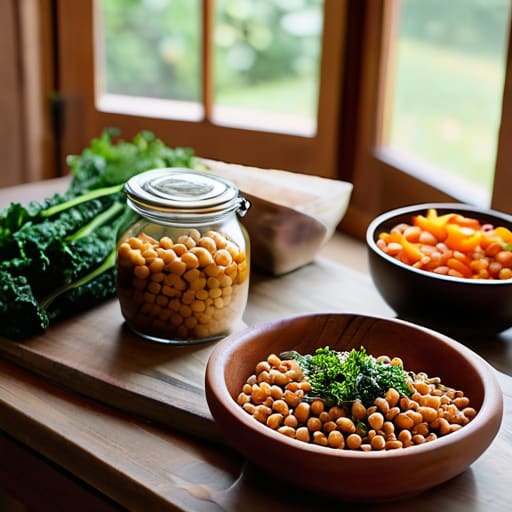
At the end of the day, feeding yourself on a budget isn’t about deprivation or eating the same bland meal every single night. It’s about building a framework—from smarter grocery runs to keeping a well-stocked pantry—that removes the “what’s for dinner?” panic from your evening. When you have these small, repeatable systems in place, you stop reacting to hunger and start navigating your week with intention. You’ve learned how to shop smarter and what to keep on hand, which means you’re already halfway to reclaiming your mental bandwidth.
Please remember that progress is much more important than perfection. Some weeks, your meal plan will work flawlessly, and other weeks, you’ll end up ordering takeout because life simply got too loud. That is okay. The goal isn’t to become a master chef or a budgeting expert overnight; it’s to create a lifestyle that feels sustainable and manageable. Start with just one of these systems this week, and let the rest follow. You’ve got this.
Frequently Asked Questions
How do I manage to prep these budget meals without spending my entire Sunday in the kitchen?
The secret is to stop thinking in terms of “meal prepping” entire dishes and start thinking in terms of “component prepping.” Instead of spending five hours making three specific recipes, I spend about ninety minutes roasting a big tray of veggies, boiling a pot of grains, and prepping one protein. I keep these building blocks in clear containers in the fridge. It’s much easier to assemble a quick bowl on a Tuesday than it is to reheat a heavy stew.
What’s the best way to handle leftovers so they actually taste good on day three instead of just being a chore to eat?
The secret is treating leftovers like a “component” rather than a “finished meal.” Instead of just reheating a pile of mushy pasta, I like to prep modularly. If I make roasted veggies or a protein, I store them separately. On day three, I toss those components into a fresh grain bowl or a quick wrap. It keeps the textures distinct and prevents that dreaded “reheated” taste that makes eating feel like a chore.