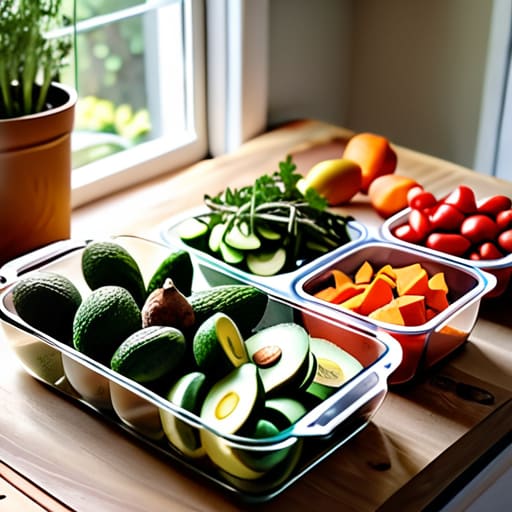
I used to think that learning how to meal prep meant spending my entire Sunday afternoon hunched over a kitchen island, surrounded by twenty identical plastic containers and a mountain of kale that I’d inevitably end up throwing away by Wednesday. The “influencer” version of meal prepping looks exhausting—it’s all aesthetic glass jars and five-course recipes that require a culinary degree just to prep a Tuesday lunch. But honestly? That’s not a system; that’s a second job, and I don’t have the bandwidth for that.
I want to show you a different way, one that actually fits into a real, messy life. I’m not here to sell you on a lifestyle of perfection or expensive gadgetry; I’m here to share the low-maintenance systems I use to keep my kitchen functional without losing my sanity. We’re going to talk about realistic ways to approach how to meal prep so that you can stop the nightly “what am I even eating?” panic and finally reclaim your mental space.
Table of Contents
Batch Cooking Techniques for a Less Chaotic Week
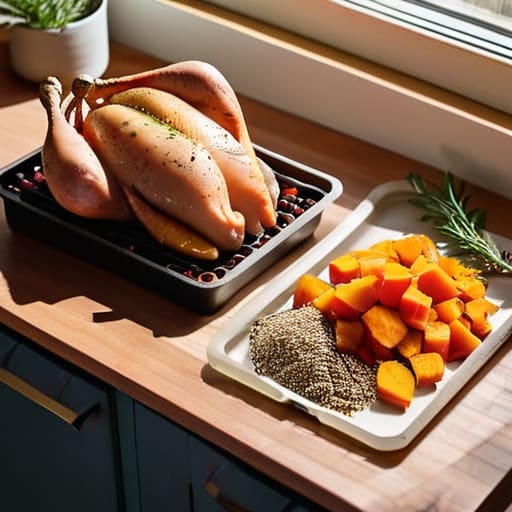
When I first started freelancing, my kitchen was a disaster zone of half-chopped onions and takeout containers. I realized that I didn’t need to cook five different recipes every Sunday; I just needed better batch cooking techniques to make my life easier. Instead of making full meals, I started focusing on “component prepping.” This means roasting a massive tray of seasonal vegetables, boiling a large pot of quinoa, and prepping a protein like lemon-herb chicken all at once. By treating these as building blocks rather than finished dishes, you can mix and match flavors throughout the week so you don’t feel like you’re eating the exact same thing every single night.
The real secret to making this stick, though, is investing in the right gear. I used to rely on mismatched plastic tubs, but switching to high-quality, airtight meal prep containers for storage was a total game-changer for my mental load. It keeps everything looking organized and, more importantly, keeps the food tasting fresh by Thursday. When your ingredients are neatly portioned and easy to grab, the friction of making a healthy lunch disappears. It’s not about being a gourmet chef; it’s just about removing the decision fatigue that usually hits right around 6:00 PM.
Smart Weekly Meal Planning Tips for Real Life
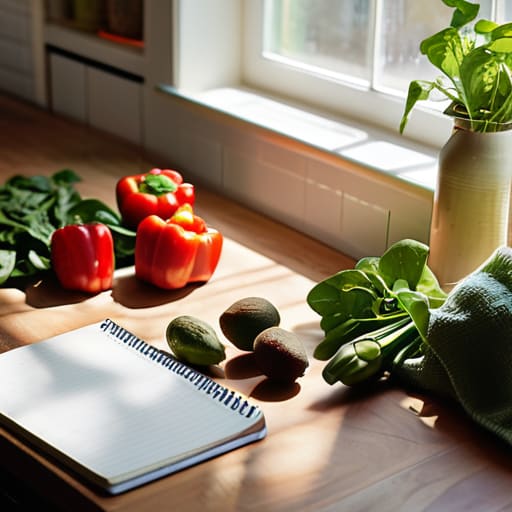
Before you even touch a knife or turn on the stove, you have to tackle the mental heavy lifting. I’ve learned the hard way that if I don’t have a plan, I’ll end up ordering takeout by Wednesday out of pure decision fatigue. My favorite approach is to start with a meal prep grocery list that is built around what I already have in my pantry. Instead of trying to cook five entirely new recipes, I look for overlapping ingredients—like a big bag of spinach that can go into a morning smoothie and a dinner salad. This is one of those weekly meal planning tips that actually saves you money and reduces food waste.
Once you have your list, don’t try to be a hero and plan seven gourmet meals. That’s a recipe for burnout. I prefer to focus on a few healthy meal prep ideas that are versatile enough to change throughout the week. Think of it as building a “component menu”—roasting a big tray of veggies, cooking a grain, and prepping a protein. If you have the right meal prep containers for storage, you can keep these elements separate and fresh, allowing you to mix and match flavors so you don’t feel like you’re eating the exact same thing every single day.
Three Small Tweaks to Keep Your Prep from Becoming a Chore
- Don’t try to cook full meals; just prep components. Instead of making three different heavy casseroles, I find it much more sustainable to just roast a big tray of veggies, boil a pot of quinoa, and prep a protein. Having these “building blocks” in the fridge means you can assemble a quick bowl in five minutes without feeling like you’re eating the exact same leftovers every single day.
- Master the “one-pot” rule for your busy nights. On the days when I don’t have the mental bandwidth to stand over a stove, I lean heavily on sheet pan dinners or slow cooker recipes. It’s not about being a gourmet chef; it’s about minimizing the dishes and the cognitive load. If the cleanup is going to be a nightmare, I usually don’t bother prepping it in the first place.
- Use your grocery list as a roadmap, not just a checklist. I’ve learned that my meal prep fails most often when I buy ingredients that don’t actually play well together. Before I head to the store, I check my pantry first and make sure every single item on my list can be used in at least two different ways. This reduces food waste and keeps my grocery budget from creeping up unexpectedly.
The Bottom Line
Don’t aim for a Pinterest-perfect spread; aim for a system that prevents the “what’s for dinner?” panic at 6:00 PM.
Start small by prepping just one component—like a big batch of grains or roasted veggies—to see how much mental space it actually clears for you.
Finding Your Rhythm
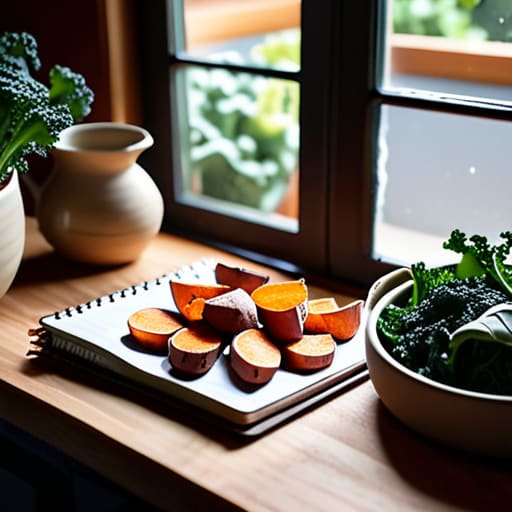
At the end of the day, meal prepping is really just about layering these small habits—whether that’s batch cooking a big pot of grains or simply sitting down with your notebook to plan your week—until they feel automatic. You don’t need to spend your entire Sunday in a flour-dusted kitchen to see the benefits. The goal is to build a flexible system that works for your specific schedule, not to follow a rigid, Pinterest-perfect routine that leaves you feeling burnt out by Monday morning.
Please remember that some weeks will go perfectly, and other weeks, you’ll end up ordering takeout because life simply happened. That is okay. The point of these systems isn’t to achieve culinary perfection; it’s to give yourself back some breathing room. Start small, be kind to yourself when things get messy, and focus on creating a kitchen environment that supports your life rather than complicating it. You’ve got this.
Frequently Asked Questions
How do I meal prep without spending my entire Sunday stuck in the kitchen?
The secret is to stop trying to cook full meals and start prepping components instead. I call it “modular prepping.” Rather than spending five hours making three specific recipes, I spend an hour roasting a big tray of veggies, boiling a pot of grains, and prepping one protein. It’s much less daunting, and it gives you the flexibility to mix and match throughout the week so you don’t get bored.
Is it actually safe to reheat the same meals all week, or am I going to end up with food poisoning?
It’s a totally fair question—the last thing you want after all that prep is to end up sick. The short answer is yes, it’s safe, provided you follow a few simple rules. The key is getting your leftovers into the fridge within two hours of cooking and making sure you reheat them until they’re steaming hot all the way through. Just try to aim for a three-to-four-day window for anything perishable.