
I used to think that building a smart home for beginners meant turning my apartment into some high-tech, neon-lit command center that required a degree in computer science just to dim the lights. I’d see those influencers with their voice-activated everything and think, “That looks like more work, not less.” Honestly, the idea of spending a weekend troubleshooting a lightbulb that won’t connect to the Wi-Fi sounds like a total nightmare for anyone trying to actually relax in their own space.
I’m not here to sell you on a lifestyle of expensive gadgets you’ll forget you even own. Instead, I want to show you how to use a few intentional, low-maintenance tools to actually reduce your mental load. My goal is to help you build a system that works quietly in the background, focusing on small automations that clear away the daily friction so you can finally reclaim your headspace.
Table of Contents
Finding Your Flow a Smart Home Ecosystem Comparison
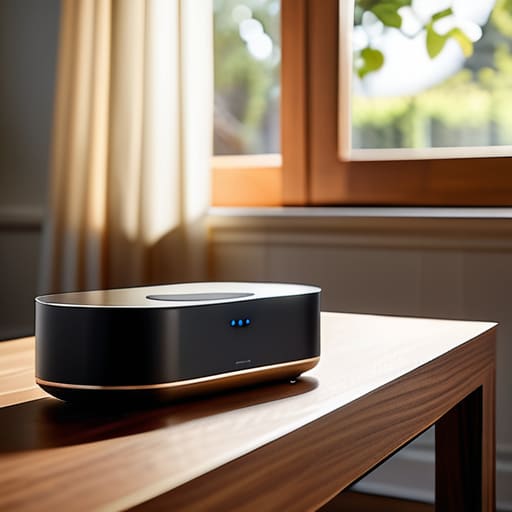
Before you go out and buy every gadget that looks sleek on a shelf, you need to decide which “brain” will run your house. This is where a little bit of research pays off. When I was first starting out, I made the mistake of buying a random smart bulb here and a smart plug there, only to realize they couldn’t talk to each other. Doing a quick smart home ecosystem comparison early on will save you so much frustration (and money) down the line. You’re essentially choosing a family for your devices—whether that’s Apple HomeKit, Google Home, or Amazon Alexa.
Once you pick your ecosystem, the focus shifts to voice assistant compatibility. You want to make sure that when you tell your house to “dim the lights,” it actually happens without a three-second lag or a cryptic error message. If you’re looking for the best smart devices for starters, stick to things that play well with your chosen hub. It’s much better to have five devices that work seamlessly together than ten devices that require five different apps to manage. Keep it simple, keep it cohesive, and let the tech work for you, not against you.
The Best Smart Devices for Starters to Reclaim Your Time
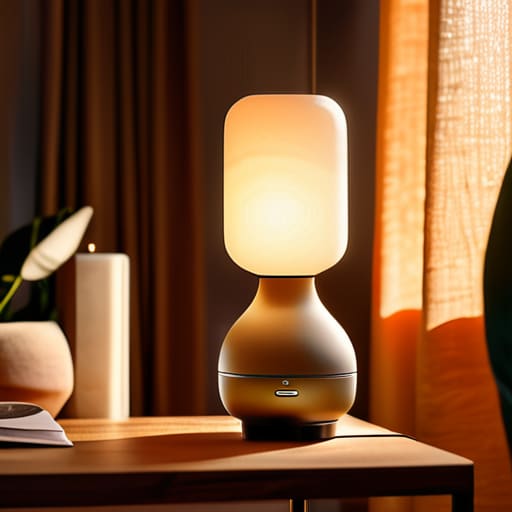
When I first started dipping my toes into this, I made the mistake of buying every gadget that looked cool on a tech blog. Trust me, you don’t need a fully automated house by next Tuesday. Instead, focus on the best smart devices for starters that actually solve a daily friction point. For me, that was smart plugs and a few dimmable bulbs. There is something incredibly grounding about setting a routine where the lights slowly fade as I transition into my evening yoga practice, or having the coffee maker kick on without me having to stumble into the kitchen in a fog.
If you’re feeling overwhelmed by the sheer number of options, I suggest starting with a single “anchor” device—usually a smart speaker or a display. This simplifies your setting up a smart home hub process because it gives you a central brain to control everything else. Once you have that, look for devices with high voice assistant compatibility so you can manage your environment hands-free while you’re busy multitasking. It’s not about having the most expensive setup; it’s about choosing the tools that quietly chip away at your daily mental load.
My Three Golden Rules for Not Getting Overwhelmed
- Start with one “problem area” rather than the whole house. I used to think I needed to automate every single lightbulb, but it’s much more rewarding (and much less expensive) to just tackle the things that actually drain your energy—like setting a smart thermostat to settle into a comfortable temperature right when you finish work.
- Prioritize interoperability over cool gadgets. Before you hit ‘buy’ on a flashy new device, check if it actually plays nice with the ecosystem you’ve already chosen (like Apple Home, Google, or Alexa). There is nothing more frustrating for my mental load than having five different apps just to turn off the kitchen lights.
- Don’t forget the “manual fallback” rule. A smart home is only helpful if it doesn’t become a barrier. Always make sure your smart switches still work like regular switches, and never rely on a device that doesn’t have a physical backup. You want technology that serves your routine, not a system that leaves you sitting in the dark because the Wi-Fi hiccuped.
The Bottom Line: Keeping It Simple
Don’t feel pressured to turn your entire apartment into a sci-fi movie overnight; focus on solving one specific friction point, like dimming the lights when you’re winding down or setting a smart plug for your coffee maker.
Prioritize compatibility over flashy features to ensure your devices actually talk to each other, because a smart home that requires ten different apps is just more digital clutter you don’t need.
Finding Your Rhythm in the Tech
Setting up a smart home doesn’t have to be this massive, overwhelming overhaul of your entire living space. We’ve looked at how choosing the right ecosystem—whether that’s Apple, Google, or Alexa—is really about finding your flow rather than just buying the trendiest gadgets. By starting small with a few intentional devices, like smart plugs or a single lighting setup, you can begin to automate those tiny, repetitive tasks that quietly drain your energy throughout the day. The goal isn’t to live in a sci-fi movie; it’s to build a functional foundation that works for you.
At the end of the day, remember that these tools are meant to serve your life, not the other way around. If a specific automation feels more like a chore than a convenience, toss it out and try something else. Your home should be your sanctuary, a place where the systems you put in place actually help you breathe a little easier. Take it one step at a time, keep your setup simple, and focus on reclaiming your mental space so you can get back to the things that truly matter.
Frequently Asked Questions
Is it actually worth the initial investment, or am I just buying expensive gadgets that will be obsolete in a year?
I get this question all the time, and honestly, it’s a valid fear. I don’t believe in buying tech for the sake of having “cool” gadgets. If a device doesn’t solve a recurring friction point in your day—like turning off the lights when your hands are full of groceries—it’s just clutter. Focus on interoperability. If you buy devices that work together through a solid ecosystem, they become lasting tools, not just expensive paperweights.
How do I make sure all these different devices actually talk to each other without creating a massive tech headache?
The secret is to pick a “brain” before you buy a single bulb. Think of it like choosing a project management software—if your team isn’t on the same platform, nothing gets done. Stick to one ecosystem, like Apple Home, Google Home, or Alexa, and look for the “Matter” or “Thread” labels on packaging. It sounds technical, but it basically just ensures your devices speak the same language so you aren’t juggling five different apps.