
I still remember sitting on the floor of my first studio apartment, surrounded by a sea of half-taped cardboard boxes and the overwhelming smell of packing tape, wondering why I felt like I was failing at a basic adult task. Everyone tells you that moving is an “exciting new chapter,” but nobody mentions the sheer mental exhaustion of deciding where every single spoon and charging cable belongs. Most of the advice you find online is either wildly expensive or way too complicated, filled with “hacks” that actually just add more clutter to your life. I’ve realized that the best moving tips aren’t about buying fancy color-coded bins; they’re about building a system that keeps you sane.
I’m not here to sell you on a lifestyle overhaul or a thousand-dollar organizational kit. Instead, I want to share the small, repeatable systems I’ve developed over years of transitioning between spaces, from tiny rentals to larger homes. We’re going to focus on practical, low-stress strategies that prioritize your mental bandwidth over perfection. My goal is to help you navigate the logistics so that when you finally turn the key in your new lock, you actually feel at home rather than just buried under a mountain of boxes.
Table of Contents
The Relocation Planning Timeline Mapping Your Chaos
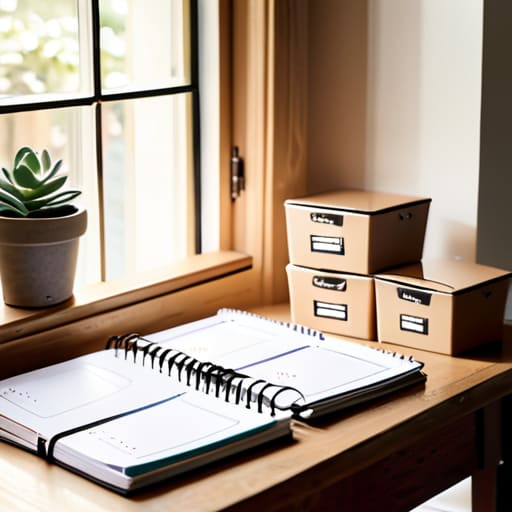
The biggest mistake I see people make is treating a move like a single, frantic event rather than a series of small, manageable tasks. To avoid that “everything is on fire” feeling, I rely heavily on a structured relocation planning timeline. Instead of staring at a mountain of cardboard, I break things down into phases: the “purge” phase, the “logistics” phase, and the “final sprint.” By spreading these tasks over several weeks, you prevent the decision fatigue that usually leads to late-night takeout and unnecessary stress.
Start by prioritizing decluttering before moving—it is honestly the kindest thing you can do for your future self. There is no point in paying a mover to transport a box of old cables or clothes you haven’t touched in three years. Once you’ve thinned out your belongings, you can start sourcing your packing supplies essentials like high-quality tape and uniform-sized boxes. This way, when the actual move arrives, you aren’t scrambling to find a way to secure your life; you’re just following the system you’ve already built.
Decluttering Before Moving Curating What Truly Matters

Before you even touch a single roll of tape, you have to face the hardest part of any move: the realization that you probably own too much stuff. I used to think moving was just about transporting my life from point A to point B, but I’ve learned that it’s actually the perfect opportunity for a hard reset. Decluttering before moving isn’t just about making your boxes lighter; it’s about deciding which version of yourself you want to take into your new space. If you haven’t used that specialized kitchen gadget or worn those shoes in two years, let them go.
I like to approach this by walking through each room with my notebook and a “Keep, Donate, or Toss” list. It helps to think of it as curating your environment rather than just cleaning. If you try to pack everything, you’re essentially paying a moving company to transport your clutter to a new location where it will just sit in a different corner. By thinning out your belongings now, you’ll find that budgeting for a move becomes much easier because you’re dealing with fewer volumes and less chaos.
The Logistics of Living: Systems to Keep You Sane
- Build a “Day One” Essentials Kit. Instead of digging through a sea of taped-up cardboard on your first night, pack a single, clearly labeled bin with the things that keep your sanity intact: your coffee maker, chargers, basic toiletries, a few sets of towels, and that specific yoga mat you need to decompress. Think of it as your survival kit for the transition.
- Create a “Zone-Based” Packing System. Don’t just throw things into random boxes; assign a specific room or zone to every box and label them with more than just a room name. I like to use a color-coded system or write “Kitchen: Pantry/Dry Goods” so when you’re standing in your new living room, you know exactly which box holds the toaster and which one holds the heavy cast iron.
- Document Your Tech and Furniture. Before you take everything apart, grab that physical notebook I’m always carrying and snap a few photos of the back of your TV or your desk setup. It’s a lifesaver to have a visual reference for where those pesky cables go once you’re trying to rebuild your workspace in a brand-new environment.
The Bottom Line: Moving Less Like a Crisis and More Like a Project
Treat your move as a series of small, manageable systems rather than one giant, overwhelming event; if you map out the timeline and curate your belongings early, you’re protecting your future peace of mind.
Focus on functionality over perfection—your goal isn’t to have a pristine, Pinterest-ready house on day one, but to have a logical setup that lets you breathe and find your coffee maker without a meltdown.
Finding Your Rhythm in the New Space
At the end of the day, moving is less about the perfect cardboard box and more about the systems you put in place to protect your peace. We’ve covered everything from mapping out a realistic timeline to the heavy lifting of decluttering your life before the first truck even arrives. Remember, the goal isn’t to have a pristine, showroom-ready house the moment you get your keys; it’s about creating a functional foundation so you aren’t drowning in bubble wrap. If you can manage your chaos through small, repeatable steps, you’ll find that the transition feels much less like a crisis and more like a fresh start.
Please, be kind to yourself during this shift. There will be moments when you can’t find your coffee maker or you feel completely overwhelmed by the sheer volume of your belongings. That’s okay. Moving is a massive life event, but it is also a beautiful opportunity to curate your environment exactly how you want it. Take a breath, grab your notebook, and just focus on the next small task. You aren’t just moving boxes; you are building a new home.
Frequently Asked Questions
How do I manage the logistics of moving my pets and plants without causing them unnecessary stress?
Moving your living things feels a lot more personal than just packing boxes. For my plants, I create “transit kits”—small, sturdy containers with damp moss to keep roots hydrated without the mess. For pets, focus on routine over everything. Keep their scent near through familiar blankets and stick to their feeding schedule as closely as possible. It’s about creating small pockets of predictability amidst all the cardboard and chaos.
What's the best way to organize my "essentials" box so I'm not digging through taped-up cardboard for my toothbrush on the first night?
I call this my “Day One Survival Kit.” Instead of one giant box, I use a clear plastic bin—it makes things visible so you aren’t hunting through opaque cardboard in the dark. Pack your toothbrush, phone charger, a change of clothes, basic meds, and your coffee maker. I always keep my physical notebook and a pair of scissors right on top. It’s not about having everything; it’s about having the essentials within arm’s reach.