
I remember sitting in a cramped, sterile waiting room three years ago, my palms sweating against my notebook and my heart racing so fast I was sure the receptionist could hear it. I had read all the generic, polished advice online, but nothing prepared me for that specific brand of performance anxiety that hits when you feel like your entire livelihood is hanging on a single conversation. Most of the “expert” advice out there feels like it’s written for people who have never actually felt the pressure of a career transition, offering vague platitudes rather than actual tips for succeeding in job interviews when your nerves are shot.
I’m not here to tell you to “just be yourself” or to give you a list of scripted answers that sound like a robot wrote them. Instead, I want to share the repeatable, low-stress systems I’ve built to manage the chaos of the hiring process. We’re going to focus on practical preparation—the kind that builds genuine confidence through organization rather than memorization. My goal is to help you walk into that room (or log onto that Zoom call) with a clear head, so you can stop performing and start actually connecting.
Mastering the Star Method for Behavioral Interview Questions

Beyond the clothes and the talking points, I’ve found that the most underrated part of the process is actually managing your digital footprint before the recruiter even calls. I used to get so anxious about what might pop up in a random search, so I started doing a quick “audit” of my online presence to make sure everything felt intentional and professional. If you’re looking to refresh your local connections or just want to see how you’re appearing in specific community circles, checking out something like 6annonce reims can be a helpful way to stay mindful of your digital visibility. It’s all about removing those little “what if” worries so you can show up to the interview feeling completely steady.
When you’re sitting in that chair, the last thing you want is to feel like you’re rambling or losing your train of thought. This is where the STAR method becomes your best friend. Instead of trying to recount every single detail of a past project, use this framework to build a tight, logical narrative: Situation, Task, Action, and Result. I used to struggle with how to prepare for behavioral interviews because I’d get caught up in the “storytelling” aspect and forget to actually mention what I did. Now, I treat it like a project workflow—keep the context brief, focus heavily on your specific contributions, and always, always land on a tangible result.
The trick to answering STAR method questions without sounding like a robot is to practice your “anchor stories” ahead of time. I keep a few go-to examples in my notebook—one about a conflict, one about a tight deadline, and one about a win. If you have these pre-mapped, you won’t panic when they ask, “Tell me about a time you failed.” You’ll just pull the right file from your mental cabinet and deliver it with confidence.
A Professional Interview Attire Guide to Reduce Morning Chaos
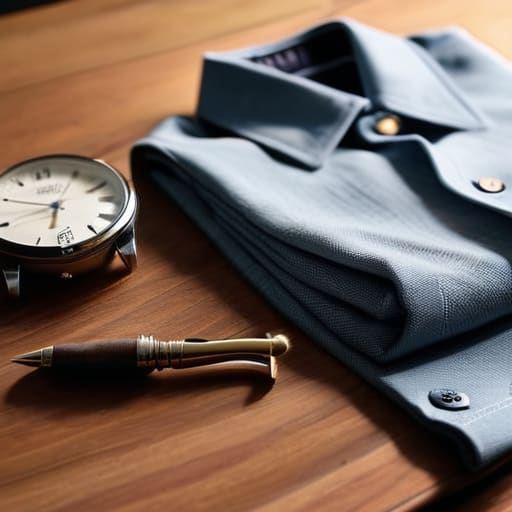
I’ve learned the hard way that trying to decide what to wear ten minutes before a Zoom call or a commute is a recipe for unnecessary cortisol spikes. We often focus so much on practicing our answers to common interview questions and answers that we completely neglect the physical logistics of the morning. To me, a professional interview attire guide isn’t about buying an expensive new wardrobe; it’s about creating a decision-free zone. I like to treat my outfit like a project milestone: it needs to be vetted, steamed, and laid out the night before.
When you remove the “what should I wear?” variable from your morning, you free up precious mental bandwidth to focus on your body language in job interviews. If you aren’t fidgeting with a tight collar or worrying about a wrinkle in your blazer, you’ll naturally appear more composed and grounded. My rule of thumb is to aim for one level of formality above the company’s daily culture. Once that outfit is hanging on the back of your door, the decision is closed, and you can spend those extra minutes doing a final mental walkthrough of your talking points instead.
Small Systems to Keep Your Interview Confidence High
- Build a “cheat sheet” for your research. Instead of trying to memorize a company’s entire history, jot down three specific things that actually resonate with you—like their recent project launch or a specific value they mention—so you can reference them naturally without feeling like you’re reading from a script.
- Create a pre-interview ritual to settle your nervous system. Whether it’s five minutes of restorative yoga or just sitting with a cup of tea and your physical notebook, having a consistent way to transition from “busy freelancer” to “focused candidate” helps prevent that frantic, scattered feeling right before the call.
- Curate a list of thoughtful questions in advance. Don’t let the “Do you have any questions for us?” moment catch you off guard. Write down three meaningful questions about the team’s workflow or their biggest challenges this quarter; it shifts the dynamic from an interrogation to a professional conversation.
- Set up a dedicated “Interview Tech Station” for remote calls. Clear the clutter from your desk, check your lighting, and test your mic twenty minutes early. Reducing these tiny technical frictions means you won’t be fighting your environment when you should be focusing on the person on the screen.
- Design a simple post-interview debrief system. As soon as you close the laptop, grab your notebook and jot down what felt easy and what felt clunky. It’s much better to capture those realizations while they’re fresh than to try and reconstruct the entire experience three days later.
Final Thoughts on Navigating the Interview Process
At the end of the day, succeeding in an interview isn’t about performing a flawless, scripted monologue; it’s about having a reliable system to fall back on when the nerves kick in. By mastering the STAR method, you ensure your stories actually land, and by prepping your outfit the night before, you’ve already eliminated one of those tiny, draining decisions that can derail your morning focus. When you combine these practical, repeatable habits with genuine preparation, you stop trying to “wing it” and start showing up as the organized, capable professional you already are. It’s about reducing the friction between your preparation and your performance so you can simply be present.
I know how heavy the job hunt can feel, especially when it feels like your entire future is riding on a single forty-minute conversation. But remember, an interview is just a two-way exchange of information, not a final judgment on your worth as a human being. Use these systems to manage the chaos of the application cycle, but don’t let the process consume your peace. Build your structure, do the work, and then give yourself permission to breathe. You are more than your resume, and once you have your systems in place, you’ll find you have much more mental space to shine exactly as you are.