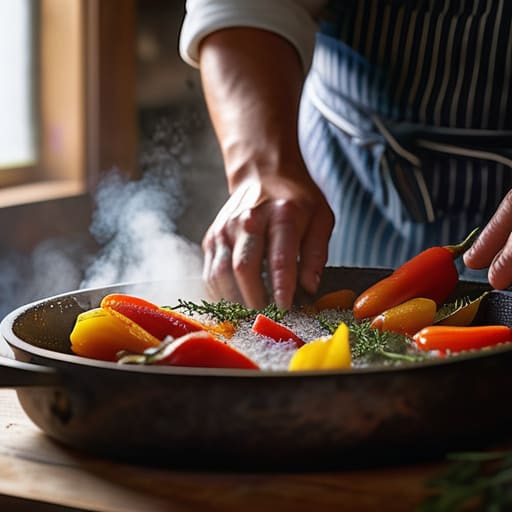
I used to think that being a “real” cook meant having a color-coded binder of printed recipes and a scale to measure every single gram of flour. I spent way too many Tuesday nights staring blankly at a pantry full of ingredients, paralyzed by the fear that if I didn’t follow a specific set of instructions, I’d end up with something completely inedible. But honestly? That rigid way of thinking is exactly what makes cooking feel like a chore instead of a way to nourish yourself. Learning how to cook without a recipe isn’t about being a culinary genius; it’s about moving away from that decision fatigue and finally trusting your own senses.
I’m not here to give you some vague, “just follow your heart” advice that leaves you with a salty mess. Instead, I want to share the practical, repeatable systems I’ve built to manage my kitchen—systems that focus on flavor profiles, ratios, and heat management. My goal is to help you build a mental framework so you can look at whatever is left in your fridge and turn it into a functional, delicious meal without needing to reach for your phone every five minutes.
Table of Contents
Mastering Flavor Balancing Principles for Intuitive Meals
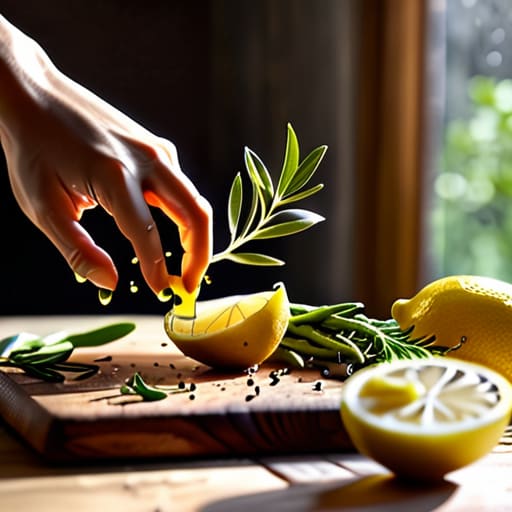
Instead of looking at a cookbook as a set of rigid laws, I’ve started viewing cooking as a simple exercise in equilibrium. When I’m staring at a random assortment of vegetables in my fridge, I rely on basic flavor balancing principles to guide me. Think of it as a mental scale: if a dish feels heavy or dull, it usually needs acid (like a squeeze of lemon or a splash of vinegar) to brighten it up. If it feels sharp or overwhelming, a touch of fat—think olive oil or a dollop of yogurt—can smooth those edges out.
The real secret to building confidence here is seasoning by taste as you go, rather than waiting until the very end. I always keep my notebook nearby to jot down what worked, but mostly, I just lean into sensory cooking techniques. I’ve learned to listen for the sizzle, smell the aromatics as they soften, and, most importantly, taste every single stage of the process. Once you stop treating ingredients as fixed variables and start seeing them as tools to adjust balance, the kitchen stops feeling like a test you might fail and starts feeling like a space where you can actually play.
Building Confidence Through Essential Pantry Staple Cooking
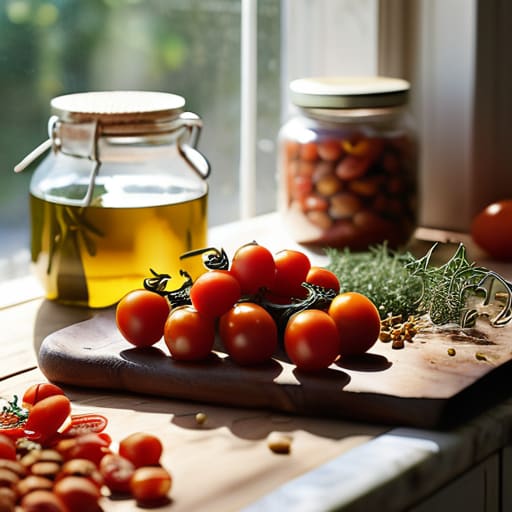
The real secret to feeling less overwhelmed in the kitchen isn’t a massive cookbook collection; it’s mastering the art of pantry staple cooking. I used to think I needed a grocery haul of specialty ingredients to make something “real,” but most of my best meals actually come from whatever is hiding in the back of my cupboard. When you stop viewing a can of chickpeas or a lonely jar of sundried tomatoes as “incomplete” and start seeing them as building blocks, your relationship with food changes. It shifts from a stressful scavenger hunt to a form of improvised meal planning that actually works with your life, not against it.
To build this confidence, I recommend focusing on understanding cooking ratios rather than memorizing specific ingredient lists. If you know that a standard grain-to-liquid ratio works for rice or that a certain amount of fat carries a specific amount of acid, you can swap ingredients on the fly without fear. I keep a small list of my “reliable combos” in my notebook—like a grain, a protein, a green, and a crunch—which serves as a mental safety net. Once you realize you can create a cohesive meal from almost nothing, that mid-week kitchen anxiety just… evaporates.
Three Small Systems to Stop the Recipe Dependency
- Learn the “Acid, Fat, Salt, Heat” framework. Instead of looking for a specific ingredient, ask yourself: “Does this taste flat?” If so, it needs acid (lemon, vinegar). “Is it boring?” It likely needs salt or fat. Once you start treating cooking as a series of adjustments rather than a set of instructions, the panic of a missing ingredient disappears.
- Build a mental map of “Flavor Profiles” rather than memorizing dishes. Instead of learning a “Thai Curry recipe,” learn that coconut milk, lime, fish sauce, and ginger work together. Once you understand those pairings, you can swap out the protein or the vegetable without ever needing to pull up a blog post.
- Use the “Component Method” for meal assembly. I always keep a few prepared elements in my fridge—a grain, a roasted veg, a simple vinaigrette, and a protein. When I’m too tired to “cook,” I’m really just assembling these components. It turns a daunting task into a simple, repeatable process that feels much more manageable.
Small Systems for Kitchen Confidence
Stop viewing recipes as rigid rules and start seeing them as mere suggestions; once you understand the basic logic of salt, fat, acid, and heat, you can pivot mid-cook to fix a dish that feels “off.”
Focus on building a reliable “pantry toolkit” of versatile staples so that even on your most chaotic weeknights, you have the raw materials to improvise a functional meal without a formal plan.
Trusting Your Inner Chef
At the end of the day, moving away from strict recipes is about shifting your focus from following instructions to understanding fundamental principles. By mastering the balance of salt, fat, acid, and heat, and by keeping a well-stocked pantry of versatile staples, you aren’t just making dinner; you are building a repeatable system for culinary autonomy. You no longer have to feel paralyzed by a random assortment of ingredients in the fridge or a sudden lack of a grocery run. You have the framework to turn whatever is on hand into something nourishing and delicious.
Please remember that my goal isn’t to turn you into a professional chef overnight, but to help you reduce the mental load of daily decision-making. Cooking should be a way to refuel and unwind, not another high-stakes project on your to-do list. So, grab your notebook, trust your senses, and allow yourself to make a few mistakes along the way. Once you realize that perfection isn’t the goal—functionality is—you’ll find that the kitchen becomes a much more peaceful place to exist.
Frequently Asked Questions
How do I know if I've actually achieved a good balance of flavors, or if I'm just guessing?
Honestly, I used to feel that same imposter syndrome every time I tasted a sauce. The trick isn’t to “know” instinctively right away; it’s to use a systematic tasting ritual. Before you call it finished, check for the “big four”: salt, acid, fat, and heat. If a dish feels heavy or dull, it usually needs acid (like lemon or vinegar) to brighten it up. If it’s sharp but flat, it needs salt. Trust the process, not just your gut.
What should I do if I accidentally go too far with a seasoning and ruin the dish?
Don’t panic—we’ve all been there. If you over-salt or over-spice, the first thing I do is try to dilute the intensity. Adding more bulk, like extra unsalted broth, cream, or even a handful of cooked grains, can help spread the seasoning out. If it’s too spicy, a dollop of yogurt or a squeeze of lemon can cut through the heat. Think of it as recalibrating the system rather than starting over.