I remember sitting at my desk last Tuesday, staring at my herb garden and feeling that familiar, heavy tightness in my chest—the kind that makes you wonder if your apartment is actually working against you. I had spent way too much money on a sleek, designer air purifier that looked great but felt like it was doing nothing more than humming loudly in the corner. It’s frustrating how the wellness industry tries to sell us expensive, high-tech gadgets as the only way to solve a problem that often boils down to much simpler, more grounded habits. If you’ve been searching for how to improve indoor air quality, you probably don’t need a laboratory-grade setup; you just need a better system.
I’m not here to sell you on any miracle machines or complicated lifestyle overhauls that require a PhD to maintain. Instead, I want to share the practical, low-maintenance shifts I’ve integrated into my own home to clear the air—literally and mentally. We’re going to look at realistic ways to manage your environment, from simple ventilation hacks to smarter cleaning routines, so you can stop worrying about what you’re breathing and start actually enjoying your space.
Table of Contents
Managing Common Indoor Air Pollutants With Minimal Effort
When I first started managing my own space, I realized that a clean-looking room doesn’t always mean the air is actually clean. We often overlook common indoor air pollutants like dust mites, pet dander, or even the lingering scent of last night’s dinner, which can settle into your furniture and carpets. I’ve found that the easiest way to tackle this isn’t by deep-cleaning every single inch of the house every week, but by focusing on high-impact habits. For me, that means a quick vacuum with a HEPA filter once or twice a week and making sure I don’t let dust build up on my bookshelf or indoor plants.
If you’re looking for a more hands-off approach, investing in a decent machine can be a total game-changer for your mental peace. I’m a big believer in the HEPA air purifier benefits for anyone who struggles with seasonal sniffles or just wants to feel less “stuffy” in their own living room. It’s one of those small, functional systems that works in the background so you don’t have to. Pair that with simple ventilation techniques for homes—like just cracking a window for fifteen minutes during your morning coffee—and you’re already doing more than most to keep your environment feeling light and fresh.
Leveraging Hepa Air Purifier Benefits for a Functional Home
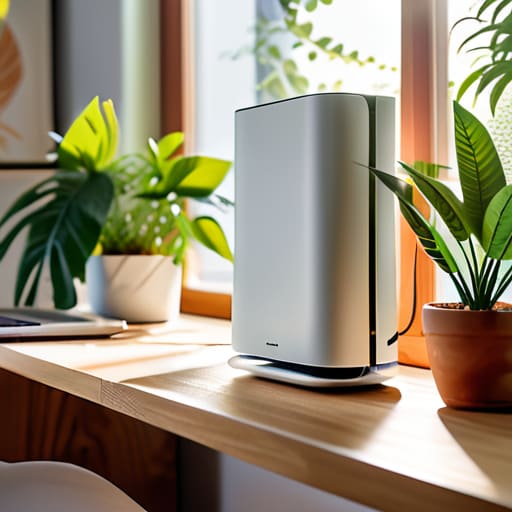
If you’re like me and prefer systems that work in the background so you don’t have to constantly micromanage them, investing in a solid air purifier is a game changer. I used to think these were just niche gadgets for people with extreme sensitivities, but I’ve realized that the HEPA air purifier benefits extend far beyond just medical needs. For a busy freelancer working from a small apartment, having a device that quietly scrubs the air of dust and pet dander helps me feel less “stuffy” during long afternoons at my desk.
The key isn’t just buying the most expensive model on the shelf, but placing it where it actually makes sense for your layout. I like to keep mine in the room where I spend the most time, treating it as a passive tool for reducing household allergens without requiring me to constantly open windows or scrub surfaces. It’s one of those small, automated wins that clears the physical air and, honestly, helps clear my mental fog, too.
Low-Maintenance Habits for a Fresher Space
- Create a “shoes-off” policy at your front door. It sounds like a small thing, but it’s one of the easiest ways to stop tracking in street dust, pesticides, and allergens that settle into your rugs and disrupt your breathing.
- Use your plants as more than just decor. While they aren’t a magic fix, keeping a few easy-to-care-for varieties like Snake Plants or Peace Lilies can help soften the air, and honestly, the little bit of greenery makes my workspace feel much less stifling.
- Schedule a “ventilation ritual.” Instead of letting the air sit stagnant all day, I try to crack the windows for just ten minutes every morning. It’s a quick way to flush out the stale air and reset the atmosphere in my apartment without needing a complex HVAC system.
The Bottom Line for a Breathable Home
You don’t need to overhaul your entire living space overnight; start by identifying the biggest culprits—like dust buildup or poor ventilation—and tackle them with one small, repeatable habit at a time.
Think of air purification as a layer of your home’s infrastructure, much like a good organizational system, where a reliable HEPA filter does the heavy lifting so you don’t have to constantly worry about the invisible clutter in your air.
Finding Your Breathable Rhythm
At the end of the day, improving your air quality isn’t about achieving some sterile, hospital-grade perfection. It’s about layering in those small, manageable habits—like swapping out a dusty filter, letting the breeze in through an open window, or choosing a reliable HEPA purifier—that collectively lower the “background noise” of your environment. When you tackle these things through simple, repeatable systems rather than overwhelming deep cleans, you stop fighting your home and start living in it. It’s about reducing the invisible clutter so your space actually feels like a sanctuary.
I know that when life feels chaotic, adding “air quality management” to your to-do list can feel like just one more thing to fail at. But remember, you don’t have to overhaul your entire life by Monday morning. Just pick one small shift this week. Whether it’s a quick dusting or a new plant on your desk, these tiny adjustments create the mental and physical space you need to truly breathe. Focus on function over perfection, and let the clarity follow.
Frequently Asked Questions
How often do I actually need to change my air purifier filters to keep things working effectively?
I used to treat filter changes like a “someday” task, but that’s a quick way to turn a helpful tool into a paperweight. Honestly, most manufacturers suggest every 6 to 12 months, but I find that checking them more often is better for my peace of mind. If you have pets or live near a busy road, aim for every 4 or 5 months. A quick visual check once a season keeps the system running without the guesswork.
Are there any specific houseplants that actually help with air quality, or is that mostly just a myth?
It’s a bit of both, honestly. While the famous NASA study sparked the idea that plants are natural air scrubbers, the reality is that you’d need a literal jungle in your living room to see a massive scientific shift in air quality. However, I still love them for the ritual. Plants like Snake Plants or Peace Lilies are great low-maintenance additions that boost humidity and add a sense of calm to your workspace—which, for me, is half the battle.