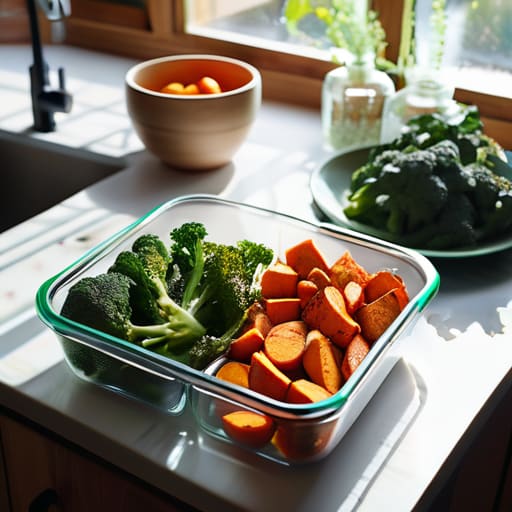
I used to think that “meal prepping” meant spending my entire Sunday afternoon in a frantic, flour-dusted haze, surrounded by twenty identical plastic containers and enough Tupperware to stock a small cafeteria. I’d look at those Pinterest-perfect spreads and think, there is no way I have the mental bandwidth for this. But the truth is, most of that high-effort advice is just a recipe for burnout. We don’t need complicated, five-hour culinary marathons; we just need functional make ahead meals that actually fit into the cracks of a real, messy work week.
My goal isn’t to turn you into a gourmet chef or a productivity robot, but to help you build a sustainable system for your kitchen. I’m going to share the low-lift, high-reward strategies I use to keep my fridge stocked without losing my sanity. We’re skipping the aesthetic fluff and focusing on practical, repeatable wins that save you time, money, and—most importantly—the decision fatigue that usually hits right around 6:00 PM.
Table of Contents
Smart Weekly Meal Planning Tips for Sustainable Success
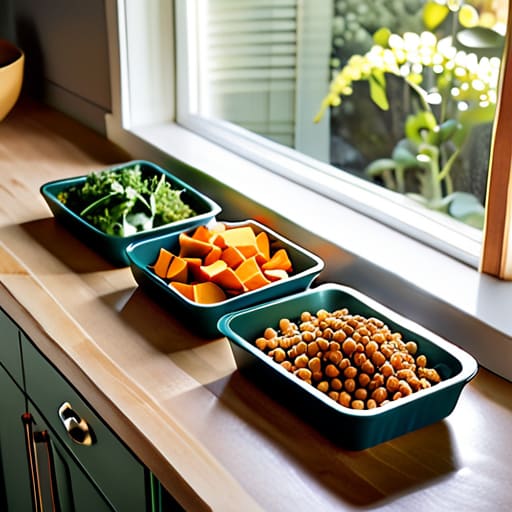
The biggest mistake I see people making is trying to plan a gourmet five-course menu every single Sunday. That’s a recipe for burnout, not sustainability. Instead, I treat my planning like a project manager: I look at my calendar first. If I have a heavy client meeting on Wednesday, that’s the day I need something low-effort. My best weekly meal planning tips usually involve choosing just two or three versatile bases—like a big batch of quinoa or roasted sweet potatoes—that can be swapped into different bowls throughout the week.
I also swear by investing in a few high-quality meal prep containers for storage. There is a specific kind of mental peace that comes from opening a fridge where everything has its own dedicated, clean spot. It stops that frantic “what’s for dinner?” scavenger hunt. If you’re looking to keep things simple, lean into one pan meal prep recipes to minimize the dishes. When you reduce the friction of the cleanup, you’re much more likely to actually stick to the system you’ve built.
Choosing the Right Meal Prep Containers for Storage
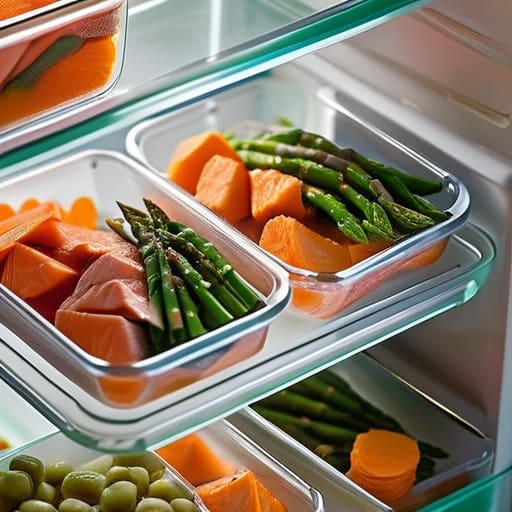
If you’ve ever reached into the fridge only to find a leaky plastic container dripping sauce all over your shelf, you know that the wrong gear can completely derail your momentum. I used to buy the cheapest sets I could find, but I quickly learned that investing in quality pays off in the long run. I personally swear by glass containers with snap-locking lids; they don’t stain from tomato sauce, they’re much better for reheating frozen meals safely, and they don’t hold onto that weird “old food” smell.
When you’re selecting your meal prep containers for storage, think about your actual lifestyle rather than just what looks pretty on a Pinterest board. If you’re someone who grabs lunch on the go, look for leak-proof seals that can survive being tossed in a work bag. If you’re focusing on budget friendly meal prep, consider modular containers that stack perfectly to maximize your fridge real estate. The goal isn’t to have a designer kitchen, but to have a system that actually works for you when you’re in a rush.
Three Simple Strategies to Keep Your Prep from Feeling Like a Chore
- Batch your components, not just your meals. Instead of making five identical containers of chicken and broccoli, try prepping “building blocks”—a big tray of roasted sweet potatoes, a pot of quinoa, and some shredded protein. This gives you the flexibility to mix and match flavors throughout the week so you don’t get “leftover fatigue” by Wednesday.
- Master the art of the “semi-homemade” shortcut. I’m a huge believer in using high-quality store-bought shortcuts to save my sanity. Grab a rotisserie chicken, a bag of pre-washed kale, or a jar of good pesto. Using these doesn’t mean you aren’t “cooking”; it means you’re being smart with your energy.
- Build in a “buffer night” for your schedule. Never plan to eat prepped meals seven nights a week. Life happens—a late meeting, a sudden craving for takeout, or just a night where you need to sit on the couch instead of reheating a container. Leaving one or two nights open prevents the guilt cycle that happens when your carefully planned system falls apart.
Final Thoughts for a Low-Stress Kitchen
Don’t try to overhaul your entire diet overnight; start by prepping just two versatile components, like a big batch of grains or a roasted veggie medley, to see how they fit into your existing routine.
Remember that the goal isn’t a Pinterest-perfect fridge, but a functional one—if a system feels too complicated to maintain on a Wednesday night, simplify it until it actually works for your life.
Finding Your Rhythm
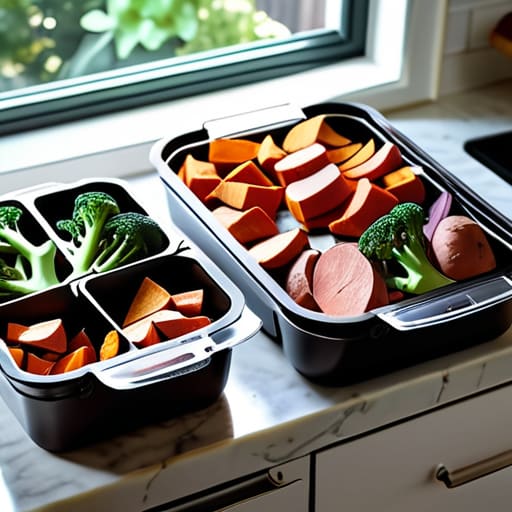
At the end of the day, successful meal prepping isn’t about achieving some Instagram-perfect aesthetic or spending six hours in a flour-dusted kitchen every Sunday. It’s about the small, functional wins: having a reliable plan in your digital calendar, investing in containers that actually seal tight, and choosing ingredients that work hard for you. When you streamline these tiny decisions, you stop treating food as a chore and start seeing it as a system that supports your lifestyle rather than draining your energy.
Please remember that your system should serve you, not the other way around. If a complex recipe feels like too much on a Sunday, just chop some veggies and call it a win. The goal is to reduce the mental load, not add a new one to your plate. Start small, be patient with yourself as you find your flow, and remember that even a simple, pre-made salad is a victory for your future, less-stressed self. You’ve got this.
Frequently Asked Questions
How do I keep my prepped meals from getting soggy or tasting "leftover-y" by Thursday?
The “Thursday funk” is real, and it’s usually a moisture problem. To keep things fresh, I always follow a simple rule: keep your components separate. Don’t dress your salads or pour sauce over your grains until you’re actually ready to eat. If you’re prepping something like roasted veggies, let them cool completely before sealing the lid to prevent steam from turning everything into mush. It’s a small step, but it makes a massive difference.
Do I really need to spend my entire Sunday in the kitchen, or is there a way to prep in smaller, more manageable chunks?
Honestly? Please don’t. The “Sunday Marathon” is the fastest way to burn out on your own systems. I’ve learned that “micro-prepping” is much more sustainable. Try the 15-minute rule: chop your onions while you’re making dinner on Monday, or boil a batch of eggs while your coffee brews. It’s about building small, manageable habits that chip away at the chaos, rather than treating your kitchen like a high-pressure production line once a week.