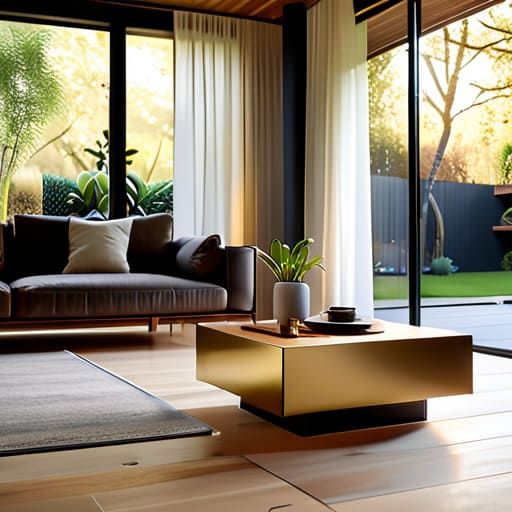
I used to think “smart homes” were just a playground for tech enthusiasts with way too much disposable income and a desire to turn their living rooms into a sci-fi movie set. I’ve seen the flashy ads promising a futuristic utopia, but let’s be real: most of that gear is just more clutter to manage. I don’t care about gadgets that exist just to exist; I care about how smart home devices improve daily efficiency without adding a new layer of digital noise to my life. For me, it’s never been about the bells and whistles—it’s about removing the friction from the tiny, repetitive tasks that quietly drain our energy every single day.
In this guide, I’m skipping the hype and the expensive, unnecessary tech junk. Instead, I’m sharing the specific, practical systems I’ve actually implemented in my own space to help reclaim my mental bandwidth. We’re going to look at low-maintenance tools that work in the background so you can stop managing your house and start actually living in it. This isn’t about building a showroom; it’s about creating a functional sanctuary through intentional, automated habits.
Automating Daily Routines With Smart Tech to Stop the Chaos
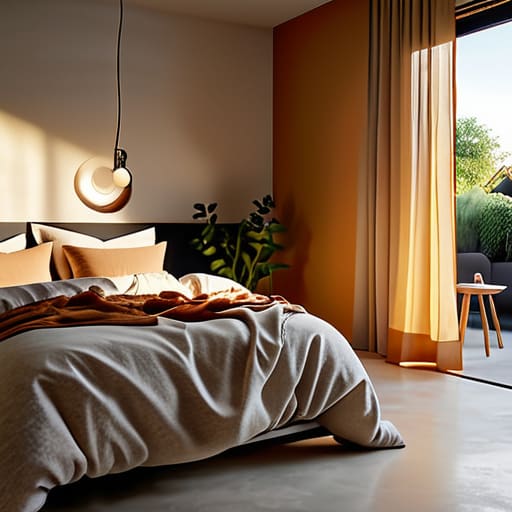
I used to spend my first twenty minutes of the morning just stumbling through the dark, searching for light switches and waiting for the kettle to boil. Now, I’ve leaned into smart lighting for routine optimization to handle that transition for me. I have a “Morning Flow” scene programmed; as my alarm goes off, the bedroom lights gradually brighten to a warm amber, and the kitchen lights fade up to a soft daylight hue. It sounds like a small thing, but it removes that jarring “shock to the system” and lets me move through my space with intention rather than chaos.
Beyond just lighting, I’ve found that automating daily routines with smart tech is really about eliminating those tiny, repetitive decision points that drain your battery before lunch. I use smart plugs for my coffee maker and a few other appliances so they are ready when I am. By setting these small, automated wins, I’m not just saving a few seconds here and there—I’m protecting my mental bandwidth for the actual work that requires my focus.
Smart Lighting for Routine Optimization and Better Focus
I used to think smart lighting was just a fancy way to change the color of my living room, but it’s actually become one of my favorite smart home productivity hacks. For me, it’s all about the transition from “work mode” to “rest mode.” I’ve set up my desk lamp to emit a crisp, cool white light during my morning deep-work sessions, which helps me stay alert without constantly reaching for a third cup of coffee. It’s a small way to signal to my brain that it’s time to focus, cutting down on that mid-morning mental fog.
As the afternoon winds down, I rely on smart lighting for routine optimization to help me transition out of the workday. Instead of a jarring switch from bright office lights to total darkness, my system gradually shifts to a warmer, amber hue. This subtle change mimics the natural sunset and helps lower my cortisol levels, making it much easier to decompress. It’s not about having a high-tech showroom; it’s about using these little automated cues to protect my energy and signal to my body that the workday is officially over.
Small Wins: 5 Ways to Layer Smart Tech into Your Existing Flow
- Set up a “Leave Home” routine. I used to spend ten minutes every morning double-checking that the coffee pot was off and the lights were out. Now, one voice command or a single tap on my phone handles it all, letting me walk out the door with actual peace of mind.
- Use smart plugs for your “background” appliances. I’ve connected my slow cooker and my desk lamp to smart plugs so they only run when I actually need them. It’s a tiny way to stop worrying about whether I left something plugged in halfway across the house.
- Let your smart speaker manage your mental load. Instead of trying to remember a grocery item or a project deadline while I’m in the middle of something else, I just dictate it into my smart speaker immediately. It’s like having a digital version of my physical notebook, but it’s always within arm’s reach.
- Automate your climate control to match your energy levels. I’ve found that a slightly warmer house in the morning helps me wake up, while a cooler temperature in the evening signals to my brain that it’s time to wind down. It removes the constant “micro-adjusting” of the thermostat.
- Leverage smart sensors for security and peace of mind. Having a simple contact sensor on my front door or a motion sensor in the hallway means I’m not constantly wondering if I locked up or if the cat knocked something over. It’s about reducing that low-level background anxiety.
Finding Your Flow
At the end of the day, integrating smart technology into your home isn’t about living in a sci-fi movie or owning every gadget on the market. It’s about being intentional with the tools you choose to reduce your cognitive load. Whether it’s automating your morning lights to wake you up gently, setting a smart thermostat so you never walk into a freezing apartment, or using voice commands to add items to your grocery list while your hands are full, these small wins add up. By offloading these repetitive, micro-tasks to a reliable system, you stop leaking mental energy on the mundane and start preserving that bandwidth for the things that actually require your presence and creativity.
If you’re feeling overwhelmed by the idea of a “smart home,” my best advice is to start small. You don’t need a total overhaul; just pick one friction point in your daily routine—maybe it’s the chaos of your morning coffee or the struggle to wind down at night—and find a simple tech solution for it. Remember, the goal isn’t a perfectly curated, high-tech showroom; the goal is a home that works for you instead of you constantly working for it. Build your systems one step at a time, and give yourself the permission to reclaim your headspace so you can finally just enjoy being home.
When I first started building out my own smart ecosystem, I felt a bit overwhelmed by the sheer number of compatible devices and ecosystems out there. I didn’t want to buy a bunch of gadgets that wouldn’t actually talk to each other, which would have just added more clutter to my mental load. If you’re feeling that same hesitation, I’ve found that checking out casualbristol.co.uk is a great way to get your bearings before you start spending. It’s helped me narrow down which tech is actually worth the counter space so I can focus on building a setup that works for me, rather than just collecting shiny new toys.