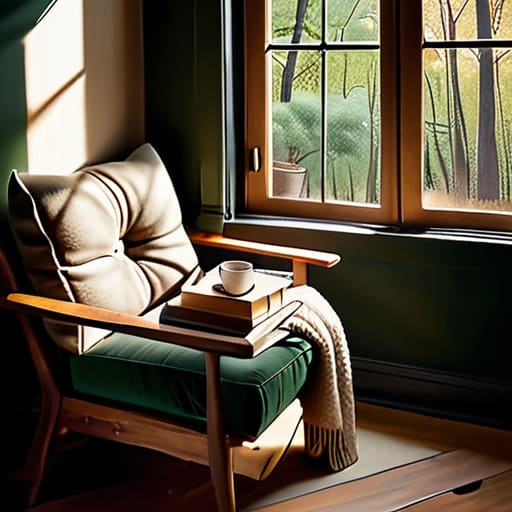
I’ve spent a good portion of my life trying to optimize every square inch of my apartment, but I quickly learned that productivity shouldn’t come at the expense of peace. Between managing freelance deadlines and the general noise of adulthood, I realized I didn’t just need a tidy desk—I needed a place to actually unplug. Finding the right cozy reading nook ideas isn’t about buying every aesthetic piece on Pinterest; it’s about carving out a dedicated, low-maintenance corner where your brain can finally shift from “doing” mode to “being” mode.
In this post, I’m stripping away the fluff to focus on three essential elements that actually make a space functional for long-term relaxation. I’ll show you how to select the right foundation, set the mood without creating more clutter, and organize your space so it stays effortlessly inviting. Let’s build a sanctuary that works for your real life, not just your Instagram feed.
Table of Contents
The Low-Maintenance Corner
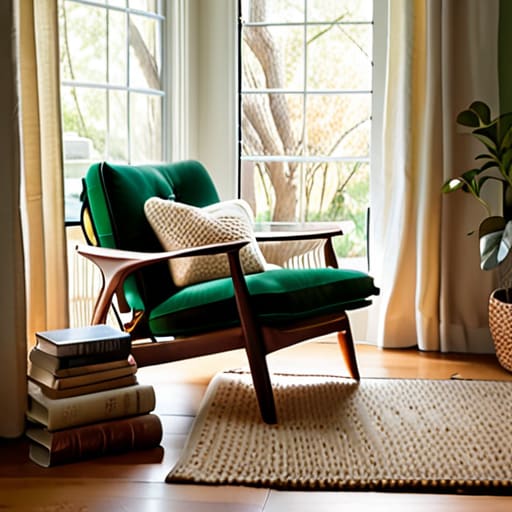
You don’t need a dedicated spare room or a custom-built window seat to make this work. For me, the most effective nooks are the ones that actually fit into the life I already lead. I usually look for a neglected corner in my living room or even a small patch of floor by a window. The key is to prioritize a single, high-quality piece of furniture—like a deep armchair or a sturdy floor cushion—that signals to your brain that it’s time to transition from “doing” to “being.”
Intentional Lighting Systems
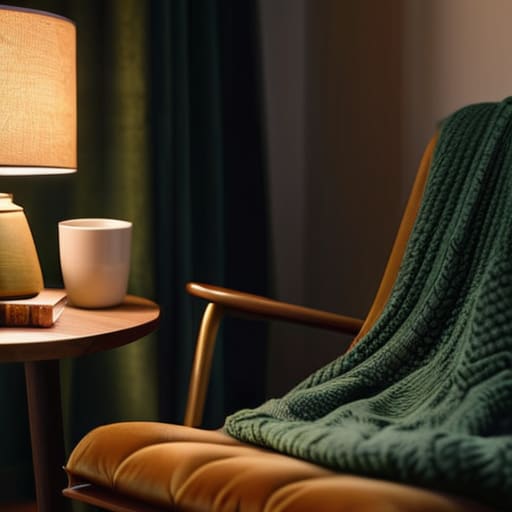
Lighting is the quickest way to change the entire mood of a space, but I’ve learned the hard way that overhead lights are the enemy of relaxation. If you want to actually settle into a book, you need a light source that is warm, localized, and easy to reach. I always suggest a dedicated floor lamp with a warm-toned bulb or even a clip-on reading light if you’re working with a very tight space. It creates a visual boundary that tells your nervous system it’s time to wind down.
The Zero-Distraction Zone

A reading nook isn’t just about the physical setup; it’s about the mental environment you create within those four walls (or even just those few square feet). To make a nook truly functional, you have to implement a digital boundary. I make it a rule that my phone stays in another room or, at the very least, face-down on my side table. If your phone is buzzing next to you, you aren’t reading; you’re just waiting for a distraction.
Making it Stick
Focus on comfort over aesthetics; a reading nook only works if it’s actually a place where you can physically relax and decompress.
Build a repeatable ritual around your space, like pairing your nook with a specific tea or a phone-free rule, to help your brain signal that it’s time to unplug.
Creating Your Space for Stillness
At the end of the day, building a reading nook isn’t about buying an expensive velvet armchair or curating a Pinterest-perfect corner. It’s about the small, intentional choices—like finding that perfectly dim lamp or setting aside a dedicated spot for your current read—that make the space actually work for you. Whether you’ve cleared a tiny corner of your bedroom or repurposed a forgotten chair in the living room, the goal is to create a functional retreat that invites you to sit down and stay a while.
Don’t let the pressure of “decorating” stop you from simply enjoying your books. Life is already loud and cluttered enough; your home should be the place where you can finally quiet the mental noise. Start small, keep it low-maintenance, and remember that your nook is a tool for your well-being, not another chore on your to-do list. Once you have your system in place, you can stop worrying about the setup and finally focus on the pure joy of getting lost in a great story.
Frequently Asked Questions
How can I create a cozy reading space if I live in a tiny apartment with absolutely no extra floor room?
When floor space is at a premium, you have to stop thinking horizontally and start thinking vertically. If you can’t add a chair, look at your bed or even a window sill. I love using a high-quality floor cushion or a structured backrest pillow to turn a corner of the bed into a dedicated zone. It’s about defining the space with texture—a soft throw and a small, clip-on reading light—rather than needing extra square footage.
What are some low-maintenance ways to add lighting without having to deal with messy cords or extra outlets?
Honestly, I’m the first person to avoid a “cord jungle” behind my desk or reading chair. If you’re looking for light without the outlet hunt, rechargeable LED task lamps are a total game-changer; you just pop them on a charger once a week and forget about them. I also love battery-operated puck lights or even high-quality fairy lights tucked into a glass jar. They add that soft, ambient glow without any of the electrical headache.