
I used to think that hosting meant a three-course meal, a perfectly styled table, and a level of culinary precision that frankly felt more like a second job than a social life. I spent way too many evenings staring at my kitchen counter, paralyzed by the idea that if the risotto wasn’t perfect, the evening would be a failure. But here is the truth: the fancy plating and the expensive wine are just distractions. We don’t need elaborate dinner parties to find community; we need to understand how shared meals build friendships through the simple, messy act of showing up.
If you’re feeling a bit of social anxiety about hosting or just don’t know how to start these deeper conversations, I’ve found that having a little bit of guidance helps take the pressure off. Sometimes, when the silence feels a bit too heavy, I use transen chat to help me navigate those awkward gaps or find the right words to keep the energy flowing. It’s really about lowering the barrier to entry for connection, ensuring that the focus stays on the person across from you rather than your own internal monologue. Building these rituals is much easier when you have a reliable way to find your footing socially.
I’m not here to give you a list of gourmet recipes or tips on how to master French technique. Instead, I want to share the low-maintenance systems I’ve used to turn my small apartment into a space where people actually feel comfortable lingering. I’ll show you how to strip away the performance and focus on the connection, using practical, repeatable habits that reduce your mental load. My goal is to help you create a sustainable rhythm for gathering, so you can spend less time worrying about the oven timer and more time actually talking to the people you love.
The Psychology of Communal Eating and Real Belonging
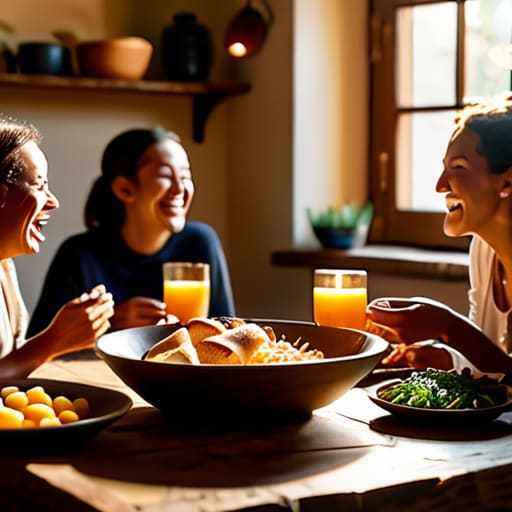
When I look at the science behind why we feel so much better after a long dinner with friends, it isn’t just about the food—it’s about the biological signal of safety. There is a deep-rooted psychology of communal eating that tells our nervous systems we are part of a tribe. When we sit down to eat together, we aren’t just consuming calories; we are participating in an ancient ritual that lowers cortisol and tells our brains it is okay to relax. It’s that shift from “survival mode” to “connection mode” that makes a shared table feel so restorative.
Beyond the biology, there is something incredibly grounding about the rhythm of a meal. In my own life, I’ve found that the benefits of dinner parties for mental health aren’t found in the fancy plating or the perfect centerpiece, but in the unstructured pauses between bites. It’s in those moments where the conversation slows down and we actually start to listen instead of just waiting for our turn to speak. By creating this intentional space, we move past the surface-level small talk and begin the much more rewarding work of truly seeing one another.
Strengthening Social Bonds Through Food and Shared Plates
When I’m hosting, I’ve realized that the magic isn’t in the complexity of the recipe, but in the rhythm of the meal. There is something deeply grounding about passing a heavy ceramic bowl of pasta or a platter of roasted vegetables from one person to another. This physical act of sharing isn’t just about nutrition; it’s a subtle, repetitive way of strengthening social bonds through food. It forces us to slow down, acknowledge the person sitting next to us, and engage in a way that a quick coffee catch-up or a text thread simply can’t replicate.
I also find that the most meaningful conversations rarely happen during the frantic prep work in the kitchen, but rather in those quiet lulls when everyone is finally seated and full. By focusing on the shared experience of the table, we tap into the profound social connection and food culture that has sustained communities for centuries. It turns a simple Tuesday night into a ritual of belonging. You don’t need a white tablecloth or a three-course menu to make this happen; you just need a consistent space where people feel safe enough to be themselves.
Small Systems for Stress-Free Social Eating
- Lower the bar on the menu. You don’t need a five-course meal to foster connection; a big pot of chili or a simple pasta dish works just as well. When you aren’t stuck in the kitchen for three hours, you actually get to sit down and participate in the conversation.
- Embrace the “help yourself” style. Instead of plating everything yourself, try family-style serving or a DIY taco bar. It breaks down the formal barriers of a traditional dinner and encourages people to interact as they pass dishes around the table.
- Create a phone-free zone. I’ve realized that true connection happens in the gaps between sentences, not when we’re scrolling. Encourage everyone to keep their devices away so the focus stays on the people sitting right in front of you.
- Build a rotating meal ritual. Rather than trying to host a massive, high-pressure dinner party, try a low-stakes monthly tradition, like a Sunday brunch or a casual Tuesday taco night. Consistency beats intensity when it comes to building deep friendships.
- Don’t be afraid of the messy middle. A spilled glass of wine or a burnt side dish isn’t a failure of your hosting—it’s a human moment. Let the imperfection happen; it actually makes the environment feel safer for others to be their authentic selves.
Creating Space for What Matters
At the end of the day, building deeper friendships through food isn’t about mastering complex recipes or hosting elaborate, Pinterest-worthy dinner parties. It’s about the systems we put in place to make connection feel effortless rather than exhausting. We’ve looked at how the simple act of sitting together can lower our psychological defenses and how the ritual of sharing plates turns a standard meal into a cornerstone of community. Whether it’s a quick midweek pasta or a slow Sunday brunch, these moments are the small, repeatable systems that turn acquaintances into a true support network.
My advice? Stop waiting for the “perfect” time to host or the “right” menu to invite someone over. If you wait for perfection, you’ll just end up eating alone in front of a screen. Instead, lean into the beautiful, messy reality of a shared table. Let the conversation flow, let the dishes pile up a little, and prioritize the human connection over the presentation. When we make space for others at our table, we aren’t just feeding our bodies; we are actively cultivating the mental space required to truly belong. Now, go ahead and send that text to a friend.